.jpg)
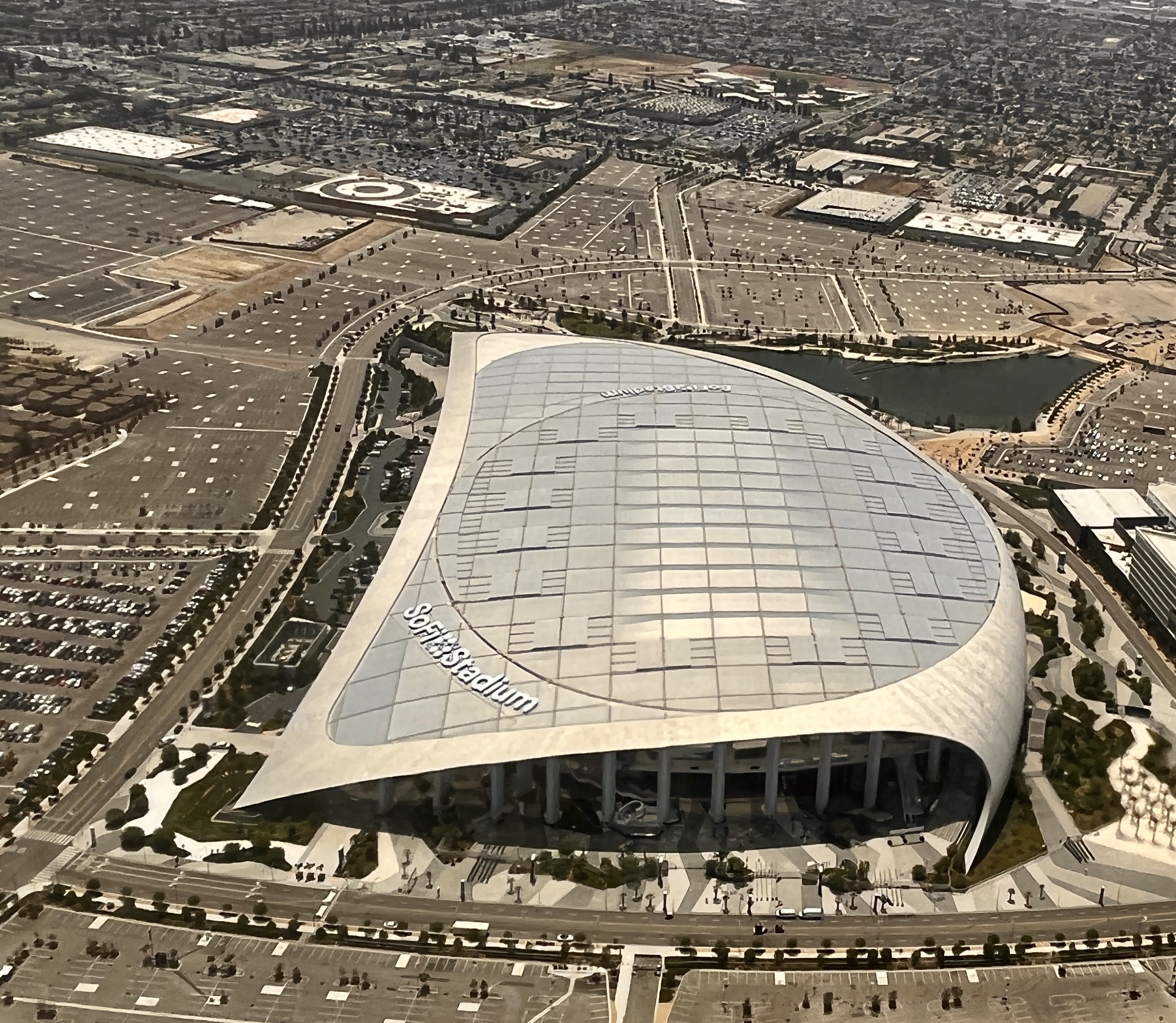
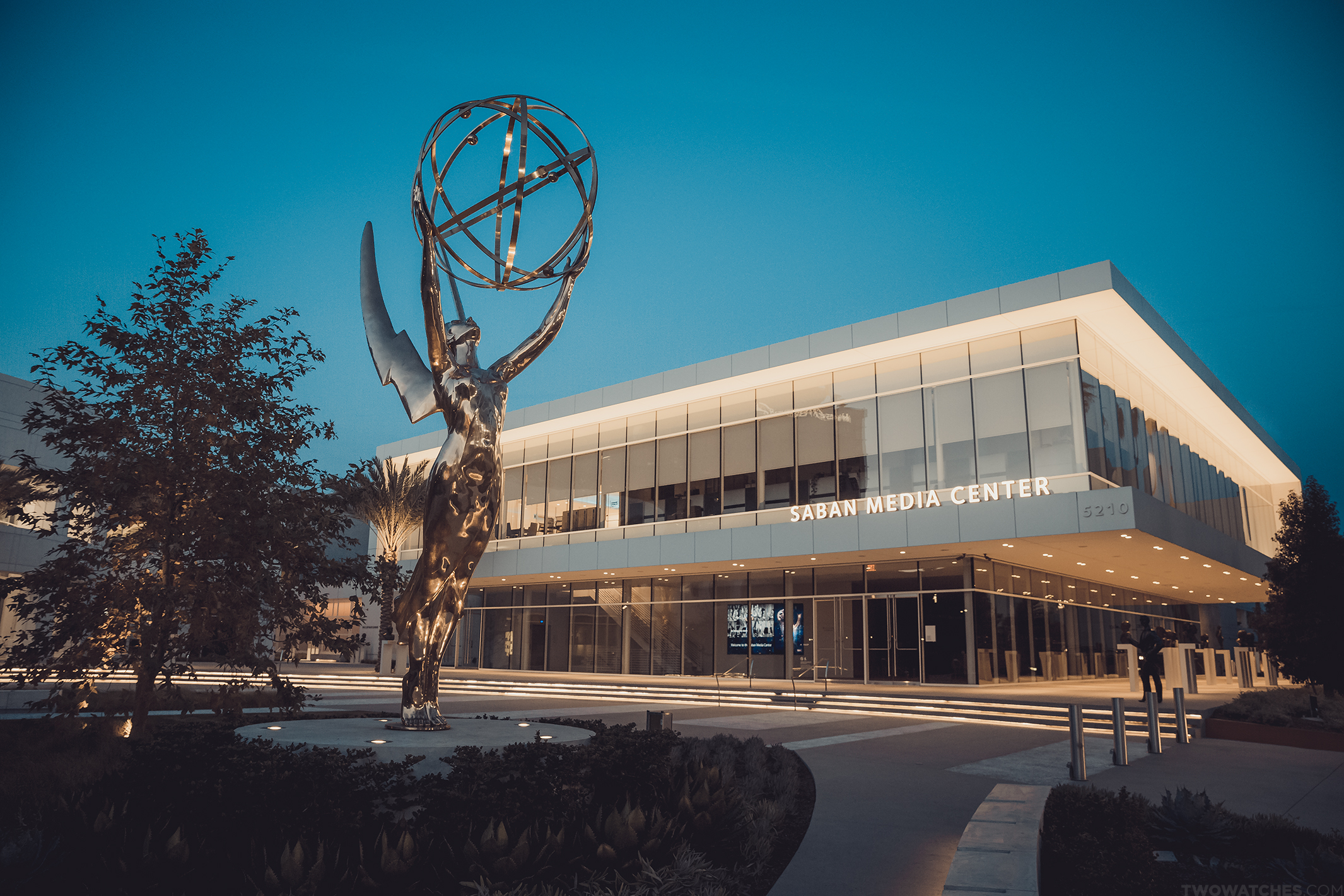
The next time you buy a ticket to a concert or Rams game at SoFi Stadium in Inglewood, you'll pay SoFi exactly zero dollars. Despite the financial company's name towering over the $5 billion venue, federal banking laws bar SoFi from selling you a ticket directly or competing with the intermediaries that tack fees onto every purchase.
Instead, those transactions flow through Ticketmaster, which controls roughly 80% of major venue primary ticketing in the United States, according to the FTC, as reported by Marketplace. A 2025 study by the National Independent Talent Organization found Ticketmaster's average fees run 34.73% of a ticket's face value, nearly double the 18.71% average charged by smaller providers.
It's a quirk that illustrates a bigger question gaining traction in Washington: do rules separating banking from commerce still protect consumers, or do they now protect the middlemen?
A wall built for a different economy
The separation of banking and commerce traces to the National Bank Act of 1864, the Banking Act of 1933 and the Bank Holding Company Act of 1956. Together, these laws barred commercial firms from owning banks and banks from owning commercial enterprises.
The Gramm-Leach-Bliley Act of 1999 dismantled much of Glass-Steagall's wall between commercial and investment banking. But the core prohibition on banks engaging in commerce remains largely intact, according to a 2026 Chambers practice guide on U.S. banking regulation. Under the Bank Holding Company Act, an acquiring entity must generally be a bank or a company predominantly engaged in financial activities.
That means SoFi, which holds a national bank charter and reported 15.8 million members and $1.2 billion in quarterly revenue in its Q2 2026 earnings release, can offer members a lounge inside the stadium and expedited entry. It cannot sell them a ticket.
Fees that follow the fan
The cost of that regulatory gap lands on concertgoers and sports fans. The face value of an average concert ticket for the top 100 North American tours rose from $25.81 in 1996 to $136.45 in 2024, increasing 2.66 times faster than inflation, according to a March 2026 U.S. Senate Permanent Subcommittee on Investigations report.
When California's all-in pricing rules took effect, Ticketmaster eliminated its order processing fee but raised other charges to compensate. Documents obtained by The Guardian showed the company told the city of Sacramento its per-ticket cut would rise about 25%, from $3.45 to $4.25, to "offset revenue loss."
"Since we remain largely hostage to Ticketmaster, they have simply shifted which hand they have in our pockets," Northeastern University economics professor John Kwoka told The Guardian in March 2026.
The DOJ settled its antitrust case against Live Nation/Ticketmaster in March 2026, dropping its demand to break up the company. The settlement included divestment of some venue booking agreements and a 15% cap on service fees at Live Nation amphitheater shows. A coalition of more than 30 states chose to continue the litigation.
Cracks in the wall
Technology firms already offer bank-like services while chartered banks remain bound by older rules. In December 2025, PayPal applied to form a Utah-chartered industrial loan company, which would let it take FDIC-insured deposits while avoiding Bank Holding Company Act regulation at the parent level, according to a Freshfields regulatory roundup. In 2025, the OCC received 14 de novo charter applications for limited-purpose national trust banks, nearly matching the prior four years combined.
The International Center for Law & Economics, a free-market-oriented think tank, argues in a policy paper that modern supervision tools can address the risks that originally justified structural separation without banning integration outright. Not everyone agrees. Traditional banks have long argued that the ILC charter improperly blurs the line between banking and commerce, and consumer advocates worry that letting banks sell commercial products could concentrate even more economic power in fewer hands.
What fans could gain
If the banking-commerce wall were lowered enough for SoFi to sell tickets directly through its app, the math favors the consumer. At Ticketmaster's average 34.73% fee rate, a $136 face-value ticket carries roughly $47 in service charges. Competing providers average 18.71%. A bank with 15.8 million members and no need to profit on ticketing as a standalone business could undercut both, bundling tickets into existing membership perks the way it already bundles the stadium lounge and expedited entry.
Direct sales could also mean integrated packages: ticket, parking, concession credits and financing rolled into one purchase inside a banking app, with no third-party platform skimming each layer. For a family of four attending a Rams game, even halving the current fee structure would save more than $90 per outing.
No legislation to overhaul the banking-commerce divide is pending in Congress. The next concrete test: PayPal's ILC application, and the 30-plus state coalition pressing its antitrust case against Live Nation into 2027.