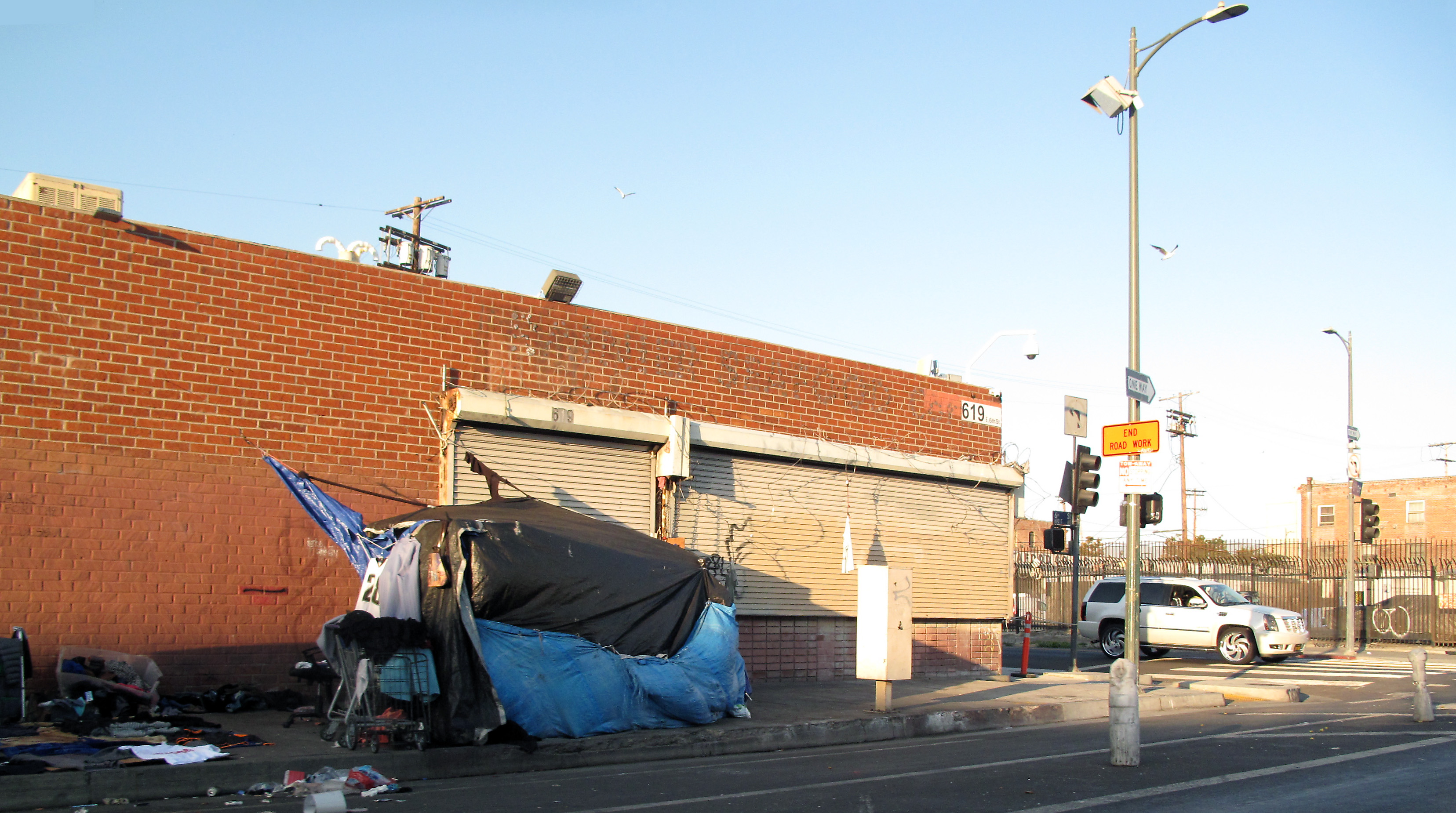
Los Angeles has four working public toilets after a contract meant to deliver 150, and a City Council committee voted Tuesday, Nov. 10, to try again.
The council's homelessness committee advanced a motion requiring city departments to report back within 60 days with a plan to expand public restrooms, hand-washing stations and permanent drinking-water access across the city, according to Patch. The motion now heads to the full City Council.
Council members Nithya Raman and Ysabel Jurado, who introduced the motion in October, asked that resources focus first on Skid Row.
The numbers behind the push are stark. In 2025, the Los Angeles Sanitation Livability Services Division collected more than 70 tons of human waste from city streets and sidewalks, according to the motion's text.
How 150 toilets became four
The city signed a contract with JCDecaux around 2001 to install up to 150 automated public toilets at no direct operating cost, AfroLA News reported in March. In exchange, JCDecaux earned advertising revenue from bus shelters and kiosks. But a 16-step approval process involving eight city departments slowed installations. Over the contract's roughly 20-year term, only 14 units were built.
When the contract expired, the city had to replace 13 of those units because JCDecaux owned them, according to the motion. In January 2022, the City Council directed StreetsLA to replace all 14 toilets with prefabricated units by the end of that year, according to a StreetsLA report. The city spent an estimated $4.5 million on replacements, AfroLA News reported.
The new units did not last long. Facing a $1 billion deficit, StreetsLA did not include bathroom maintenance in its budget for fiscal year 2025-26, AfroLA News reported. Due to funding constraints, only four replacement toilets are operating, according to Patch.
Jurado, who represents portions of downtown Los Angeles, used discretionary funds to keep those four Skid Row restrooms open. She requested that city staff identify stable funding for their continued operation regardless of the broader expansion timeline.
What the motion asks for
If the full council approves the motion, the city administrative officer, Bureau of Street Services, Bureau of Sanitation, Department of Water and Power (DWP) and Board of Public Works would have 60 days to produce a citywide hygiene-infrastructure expansion plan, in consultation with Metro, NBC Los Angeles reported.
The motion also asks city staff to:
- Examine installing restrooms on city- and county-owned property, including near Metro station entrances.
- Consider public-private partnerships, such as the Hollywood Partnership's operation of 40 bathroom stalls at a city parking garage at 1627 Vine St.
- Provide a status update on DWP's Hydration Station Initiative Program.
- Determine whether Homeless Housing, Assistance and Prevention Program (HHAP) funds could support the effort.
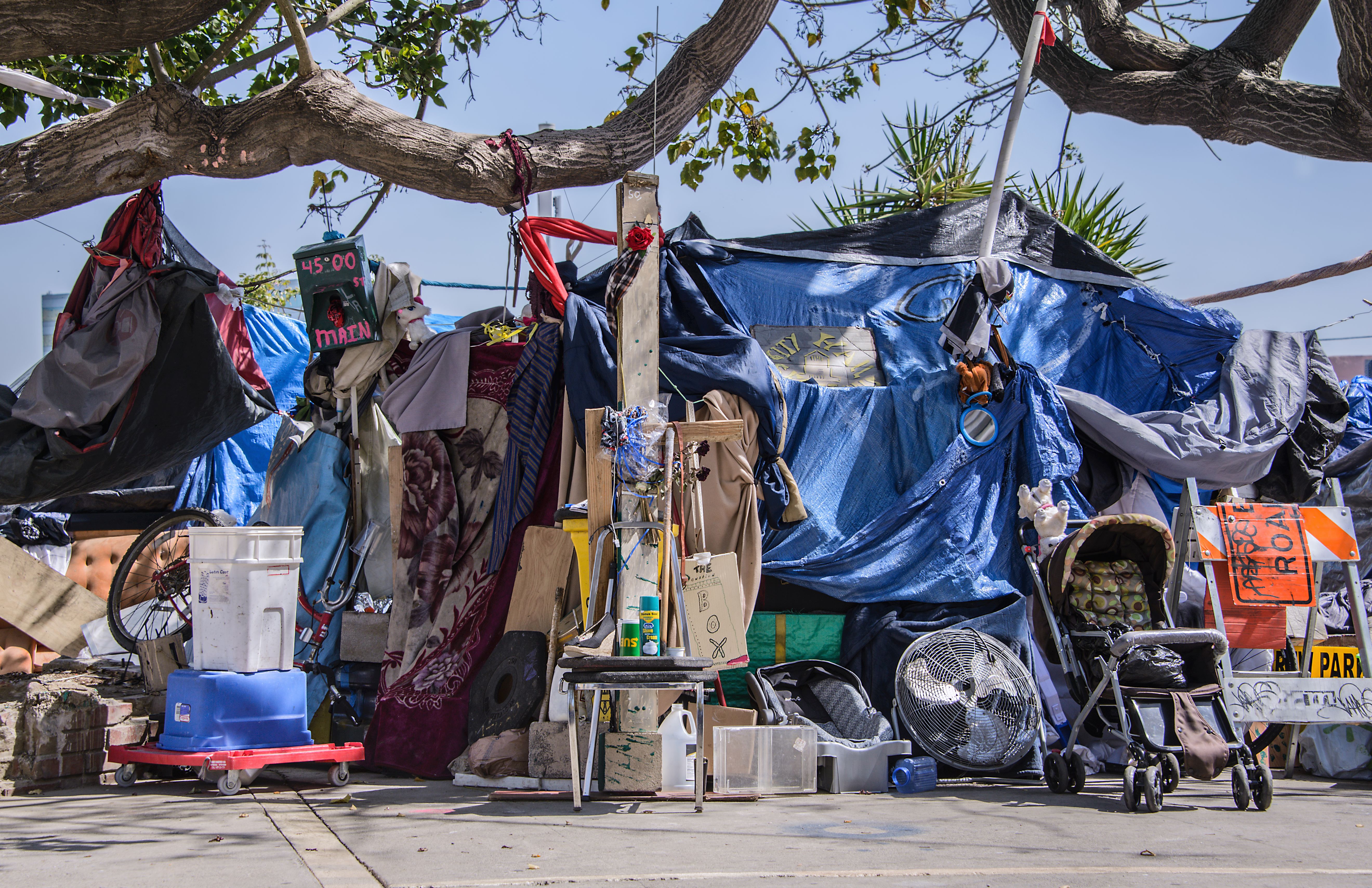
Pastor Moody Go of Father's Table, a volunteer meal program in Skid Row, told The Korea Daily that complaints from volunteers, residents and merchants about the stench never stop. He said some unhoused people damage fire hydrants to access water because washing facilities are unavailable.
The motion states that most available restrooms sit inside private businesses, placing a burden on business owners. For people who cannot access those spaces, outdoor use may be the only option, the motion states.
Raman won the Los Angeles mayoral race Nov. 3 and takes office Dec. 14, according to LAist. The restroom motion she co-sponsored still needs full council approval before the 60-day clock starts.