Martin Ludlow raised at least $1 million in corporate sponsorships and taxpayer money for the inaugural LA Jazz Festival, then canceled the 17-day event hours before it opened on Aug. 7. Three months later, he still cannot say where the money went.
That is the central finding of an investigation published by Los Angeles Magazine on Tuesday, Nov. 10, which details how the ambitious festival fell apart and left artists, vendors and its title sponsor demanding answers.
Airbnb put up $750,000 as the festival's primary title sponsor. Council District 10 (CD10), represented by Councilmember Heather Hutt, authorized seven separate checks totaling $165,000 in discretionary community funds to Ludlow's nonprofit, the LA Jazz Festival Foundation, according to the investigation. Records cited by the magazine show those checks were issued from 2024 through June 2026.
None of that money has been returned.
"We were blindsided by LAJF's cancellation and join the artists, vendors and other community members impacted in demanding answers and accountability from those involved in the planning failures of this event," an Airbnb spokesperson said in a statement to Los Angeles Magazine, adding that Ludlow's continued "evasion is beyond unacceptable."
Ludlow, 62, is a former Los Angeles city councilman who pleaded guilty in 2006 to a felony charge of conspiring to embezzle union funds and funnel them into his 2003 council campaign. He was sentenced to five years' probation and 2,000 hours of community service, the Los Angeles Times reported.
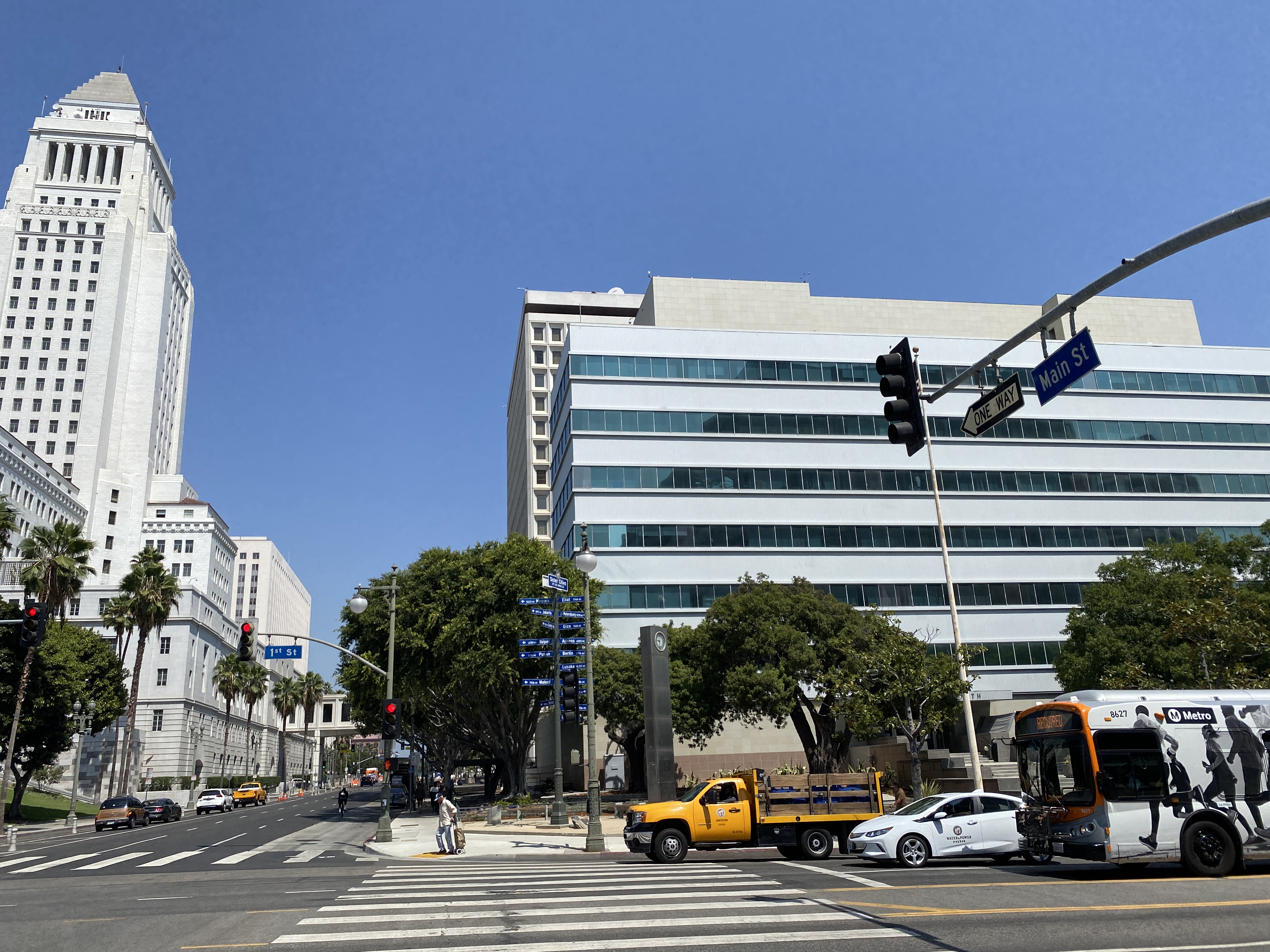
The festival was announced in February 2026 at a City Hall press conference. Mayor Karen Bass and most of the 15 council members stood alongside Ludlow as he described plans for more than 100 events across every council district, with headliners including John Legend and Janelle Monáe and a projected 250,000 attendees.
But the magazine's investigation found that basic operational steps were ignored for months. The nonprofit's required IRS Form 990 disclosures had not been filed since 2023, leaving what the magazine called "an alarming multi-year financial blind spot." Ludlow's production team repeatedly missed mandatory permit deadlines through July, according to records from the LAPD's Commission Investigation Division first reported by LA Material and cited by both the Times and Los Angeles Magazine.
Ludlow blamed city bureaucracy. Organizers said in public statements that "significant, unanticipated last-minute public safety and municipal costs" forced the cancellation. Ludlow told Los Angeles Magazine he should have been "more predictive over the complexities of government."
City records tell a different story. Police and fire officials gave Ludlow's team explicit checklists and hard deadlines starting in spring 2026, the magazine reported. Festival management stopped responding to safety inspectors, and street closures, emergency medical routing and crowd-control plans were never completed.
Ludlow told the magazine he spent $1.2 million on artist deposits but could not answer questions about total revenue or how other funds were spent. He said he is working on an audit but gave no release date. An insurance policy he purchased did not cover the failure because it "wasn't an 'act of God,'" he told the magazine.
Hutt has not answered questions about the CD10 checks, according to Los Angeles Magazine. The magazine reported that the multiple payments appear to skirt City Council rules, though the specific rules were not identified.
Saxophonist Leah Concialdi, who was contracted to play the festival, told the Times her band was never paid its advance and first learned the show was in jeopardy from a broken ticket link.
Ludlow told Los Angeles Magazine that the festival is not canceled, just postponed. He promised to repay everyone, "even if he has to borrow money from friends and family." A 30-day refund window he pledged through his company, Bridge Street Inc., passed without payments, leading to credit card chargebacks.