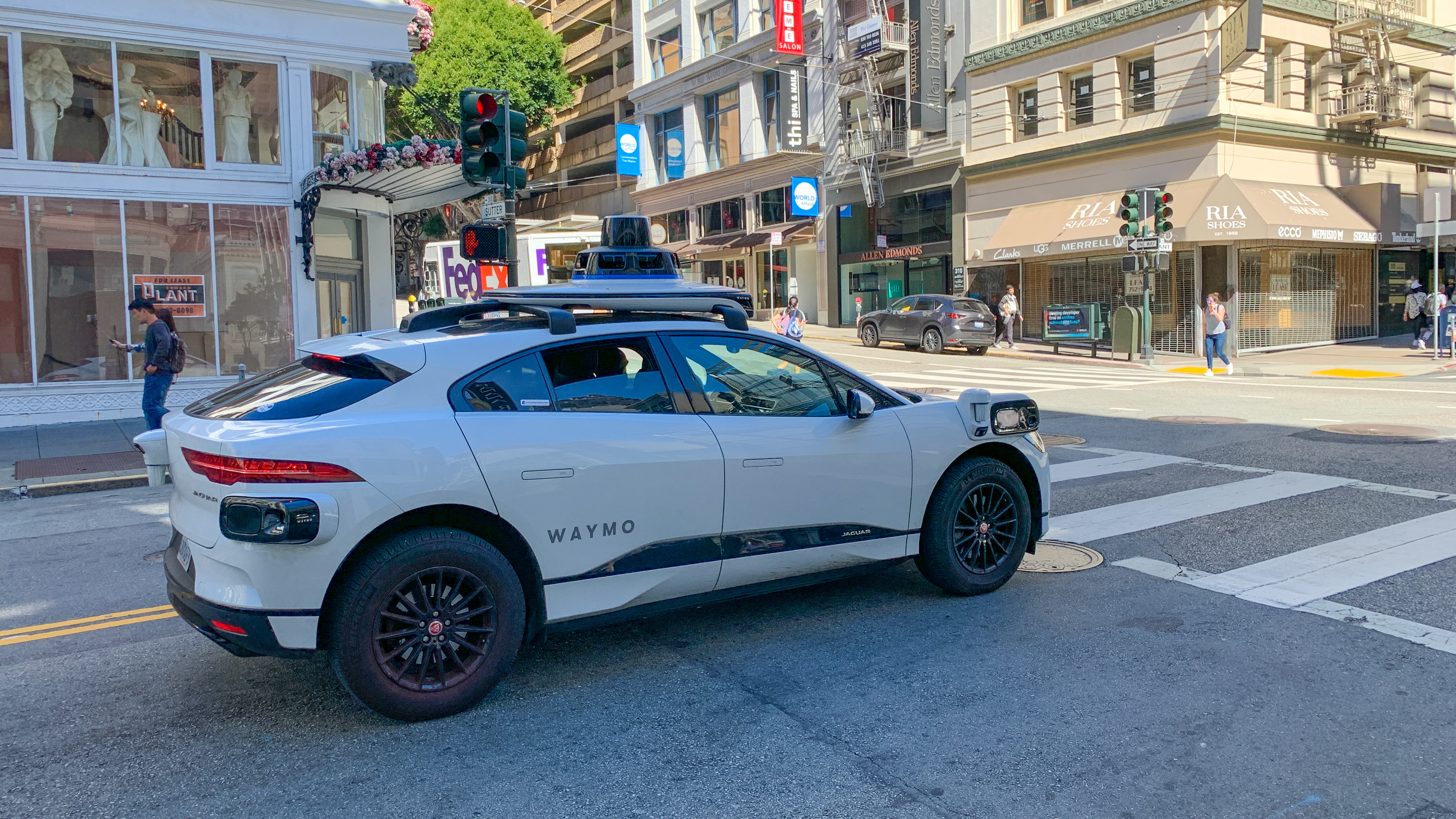
Korean-owned taxi companies in Los Angeles say their revenue has fallen about 30% since Waymo's driverless fleet rolled into the city, forcing operators to chase airport runs and out-of-town tours that robotaxis cannot reach.
Do-il Yoon, CEO of Hana Taxi, described the squeeze in a report first published Oct. 27 by The Korea Daily. Yoon said many Korean taxi operators have watched revenue slide roughly 30% since the arrival of unmanned taxis. Waymo charges no tip, he noted, and eliminates the anxiety some passengers feel riding with a human driver. For tourists, hailing a robotaxi has become a Los Angeles attraction on par with seeking out In-N-Out Burger.
About 900 Waymo vehicles now operate in Los Angeles, the second-largest fleet in the country after San Francisco, according to The Korea Daily. Waymo announced Oct. 27 that it is adding nearly 250 square miles of service territory across five cities, extending its LA coverage down the coast into the South Bay and Torrance.
The pain reaches beyond traditional cabs. The Korea Daily cited rideshare analytics firm Gridwise, reporting that total working hours for Uber and Lyft drivers in the LA area fell 17.8% in the second quarter of 2026 compared with the same period in 2024. Quarterly earnings dropped 14.7%. Cities without autonomous taxi operations, by contrast, saw increases in both hours and revenue.
Rising fuel costs compound the problem. Gas in the Los Angeles metro area averaged $6.10 per gallon as of Oct. 26, up 31.6% from a year earlier, according to AAA data compiled by Stacker. California leads the nation at $6.38 per gallon statewide, per a LendingTree analysis of AAA figures. The American Automobile Association (AAA) reported that the average annual cost to own and operate a new vehicle reached $12,863 in its 2026 study.
Richard Wee, CEO of LA Korean Limo Service, told The Korea Daily that gas and repair costs have climbed across the board, but customers balk at even a $1 or $2 fare increase. Wee said passenger fares have barely changed since he first arrived in LA in 1993.
A representative for Hangil Taxi said the company hesitates to raise prices because its primary riders are Korean seniors.
Caught between driverless competition and mounting overhead, the operators are pivoting. Hana Taxi now offers LAX pickups and trips to San Diego, Palm Springs and Santa Barbara. Yoon said popular sightseeing destinations favored by South Korean tourists often fall outside Waymo's service zones, which as of early 2026 covered roughly 80 square miles on LA's west side and central corridors, excluding LAX and Pasadena.
Wee said his company attracts South Korean tourists through targeted online advertising. The strategy banks on geography: Waymo's fleet keeps growing, but its geofence still stops short of the region's airports and outlying attractions.
Waymo plans to roughly double its national fleet to 8,000 vehicles by year's end and reach 20,000 by the end of 2027, the New York Post reported, citing a Semafor report. Powder-blue "Ojai" vans built by Zeekr are already on LA streets alongside the existing Jaguar I-Pace fleet.