Los Angeles has issued building permits for just 4.2% of the nearly 58,000 extremely low-income housing units it needs by 2029, according to an investigation by The LA Local published Wednesday, Sept. 16.
The city's 2021 Housing Element projected it would need 57,989 new extremely low-income units by 2029. In Los Angeles County, that label applies to households earning less than $36,400 a year for two people. Most spend more than half their income on rent and utilities.
The LA Local's review also found errors in the city's own tracking. The latest annual housing progress report listed just 141 extremely low-income units for 2022, down from the 801 previously reported, creating the false appearance of nearly 400% growth. After The LA Local asked LA City Planning about the discrepancy, a spokesperson confirmed the figure was miscalculated "due to an unknown error."
The gap may be wider still. Permit records The LA Local obtained from the Department of Building and Safety showed only 274 extremely low-income units permitted last year, not the 690 the city's report claimed. A single East Hollywood project accounted for 100 of those.
That pattern extends beyond the lowest-income tier. A separate Crosstown analysis published in February found that of 32,838 units plan-approved under Mayor Karen Bass's Executive Directive 1 through the end of 2025, only 4,993 had received building permits for new construction. Mayor Bass said on X on July 15 that nearly 47,000 affordable units are in the pipeline under ED1.
Stephanie Klasky-Gamer, president of LA Family Housing, told Crosstown that the city's "largest housing gap is for our extremely and very low income households" and that closing it would require a larger allocation of rental subsidies.
Azeen Khanmalek, executive director of Abundant Housing LA, told The LA Local that developers avoid the lowest-income tier because "the rent that's coming in is not covering the amount needed to operate and maintain a building." Shane Phillips, housing initiative manager at the UCLA Lewis Center for Regional Policy Studies, told The LA Local that fewer developers are using the city's Transit Oriented Communities program, which encourages extremely low-income units. Many opt instead for the state density bonus law, which requires only very low- and low-income units.
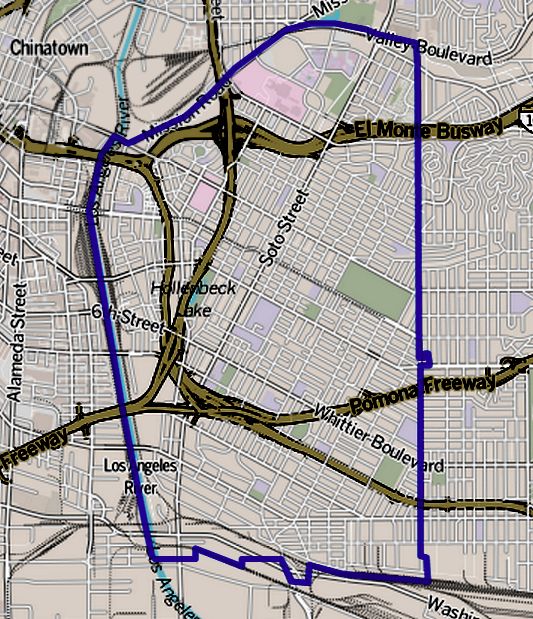
Boyle Heights, a neighborhood the city has identified as having severe "racially concentrated poverty" and that is 93% Latino, permitted only two extremely low-income units last year, the investigation found.
Funding sources face their own pressures. Measure HHH, the $1.2 billion bond voters approved in 2016, has largely been spent. Measure ULA, which taxes property sales above $5.3 million, generated $548 million in fiscal year 2025–2026, according to Shelterforce. The LA Local reported that most ULA money has not yet been spent on construction. The region lacks more than 473,000 affordable homes to meet current needs, according to the Los Angeles Homelessness Services Authority.
LA City Controller Kenneth Mejia said on X on Sept. 3 that the Housing Department should strengthen covenant language on conflicts of interest and conduct site visits to ensure compliance.