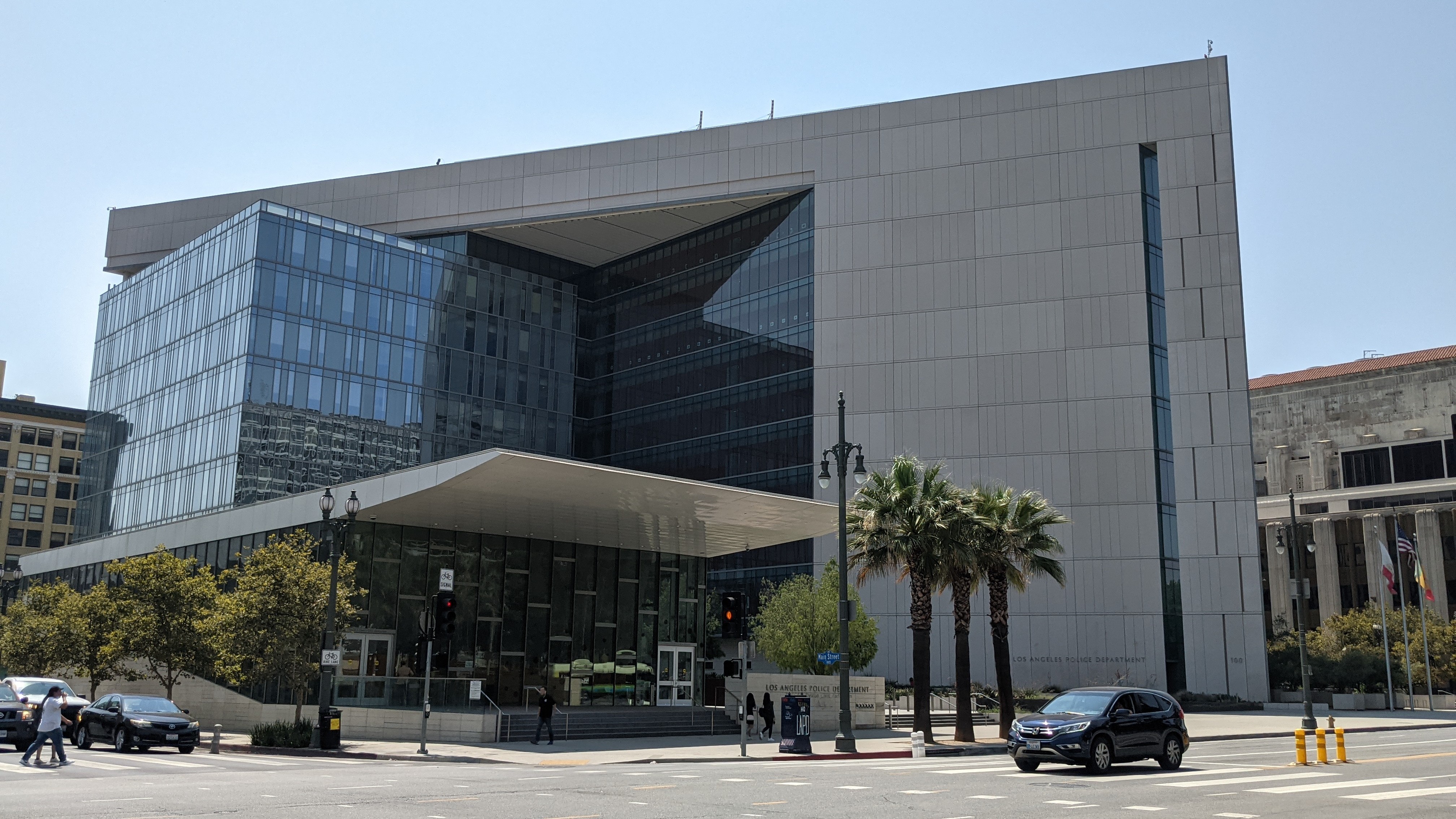
Mayor Karen Bass signed an executive directive Friday, Oct. 23, ordering faster hiring of 911 dispatchers and a merger of the city's two civilian crisis-response call centers into one.
The move comes 11 days before the Nov. 3 mayoral election, where Bass faces Councilmember Nithya Raman. Both candidates have made the city's lagging 911 answer times a campaign issue.
The directive, designated Executive Directive 23, does not create the unified call center immediately. It orders the City Administrative Officer (CAO) to issue requests for proposals and report back in 30 days, with full operation targeted no later than the start of fiscal year 2027-28, according to the mayor's office. The directive also calls for modernized emergency communications technology and new performance metrics to track 911 response times.
The staffing gap
The city's 911 system has struggled with a shortage of trained operators called Police Service Representatives, or PSRs. An LAPD report dated Oct. 30, 2025, and forwarded to the City Council in February 2026, found 92 PSR vacancies as of Oct. 29, 2025, Los Angeles Magazine reported. The department estimated it needed 100 operators on duty across a 24-hour period to meet the state benchmark of answering 90% of 911 calls within 15 seconds.
In 2024, only 57.43% of emergency calls met that standard, according to LAPD data cited in an April 2025 City Council motion. Non-emergency callers waited an average of three minutes and 40 seconds. In one incident cited in the motion, a caller waited an hour on hold to report a burglary.
LAPD received nearly 2.95 million 911 calls in 2024 and answered about 2.4 million, though some unanswered calls may reflect hang-ups or callbacks, Los Angeles Magazine reported.
Competing proposals
Raman introduced the April 2025 motion directing city officials to examine ways to cut wait times, including dedicated non-emergency operators and a separate dispatch system for unarmed crisis responders. The Los Angeles City Council approved it 15-0 on Sept. 10, 2025.
Raman has argued that trained civilian responders should handle more calls involving mental health and homelessness that do not require armed officers. She has also criticized the cost of police raises approved under Bass, according to Los Angeles Magazine.
Bass's directive takes a similar approach on civilian response. Her office said more than 125,000 calls have been diverted from 911 to mental health and crisis-response teams since 2023. The city currently runs two separate civilian programs, CIRCLE and the Unarmed Model of Crisis Response (UMCR), each with its own dispatch center. The directive merges them.
"Every Angeleno deserves to know that when they call 911, someone will answer quickly and the right help will be on the way," Bass said in a statement released by her office.
Council President Marqueece Harris-Dawson, who joined Bass at the Oct. 23 press conference along with Councilmembers Eunisses Hernandez, John Lee, Tim McOsker and Bob Blumenfield, said the council must recognize both the importance of the changes and how quickly they can be implemented.
Election context
The directive lands as recent polls show Raman leading. A UC Berkeley Institute of Governmental Studies/Los Angeles Times poll conducted Sept. 15-20 found 39% of likely voters supporting Raman and 28% supporting Bass, with 33% undecided, the Jewish Journal reported. A Manhattan Institute survey released Oct. 9 put Raman at 38% and Bass at 32%.
No on-record response from Raman or her campaign to the Oct. 23 directive appeared in available public records as of publication.
The CAO's 30-day report on procurement and funding is the next milestone. The LAPD has a separate 60-day deadline to recommend technology upgrades and establish baseline performance targets for 911 call-answering times.