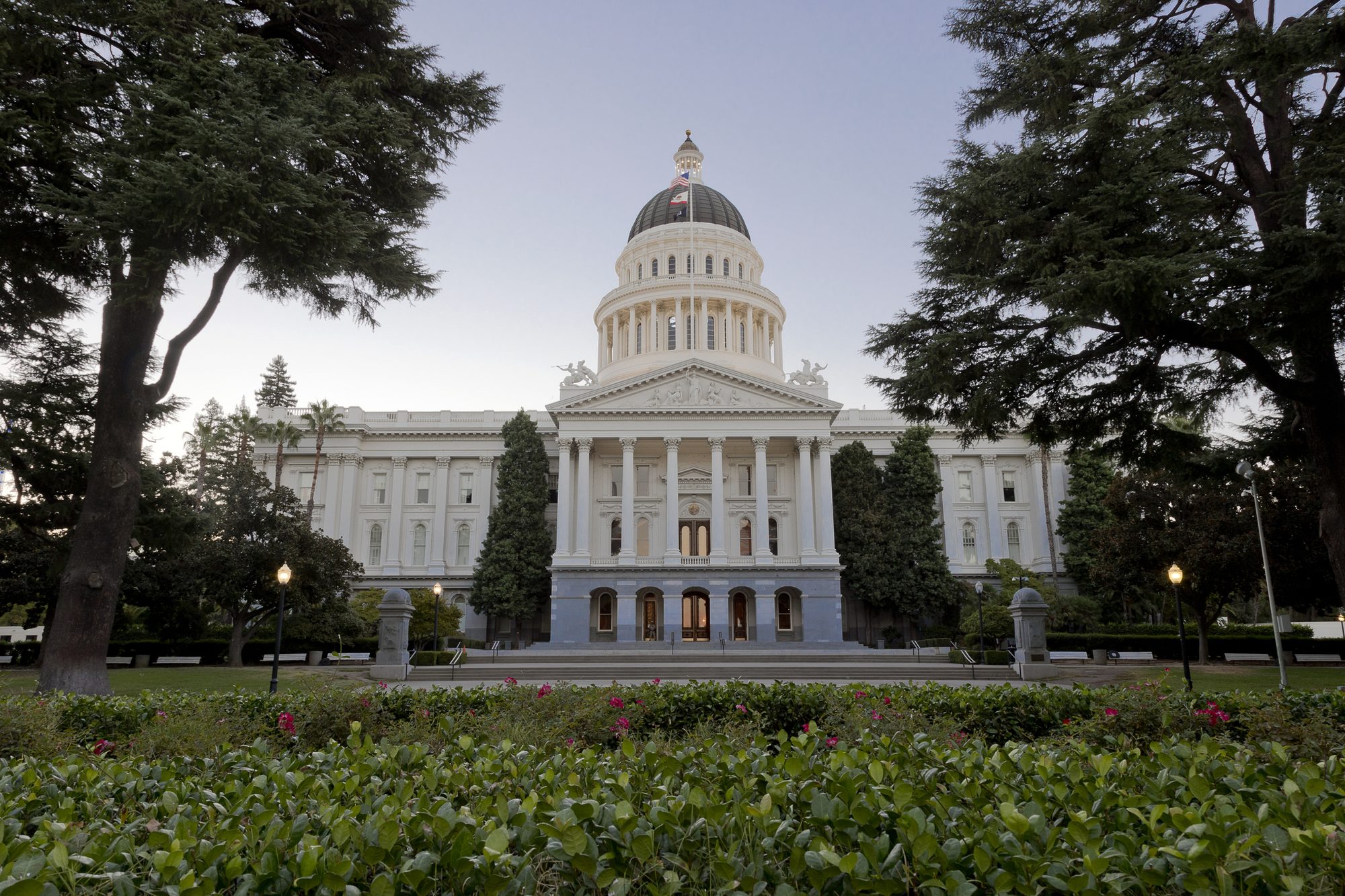
California's legislature approved the state's first stand-alone postproduction tax credit on Monday, Aug. 31, sending AB 2319 to Gov. Gavin Newsom's desk after near-unanimous votes in both chambers.
The bill, written by Assemblymember Nick Schultz of Burbank, cleared the Assembly 72-2 and the Senate 33-5, the Los Angeles Times reported. Newsom has until the end of September to sign it into law.
The measure targets the editors, sound mixers, composers and visual effects artists whose work has increasingly moved out of state. California's share of U.S. postproduction employment fell from 53% to 42% between 2005 and 2025, according to CVL Economics. The sector still employs more than 12,000 workers at over 1,800 firms statewide.
The drain is personal. Bobbi Banks, an LA-based supervising sound editor whose credits include "The Batman" and "Selma," said she has worked only five months in almost two years.
Banks told the Times the credit "helps to level the playing field as far as postproduction work here." She added that many colleagues have retired early or left California "because it's financially easier to live [elsewhere] at the moment."
Under the bill, productions could receive a base credit of 35% on eligible postproduction spending in California. Additional uplifts of up to 15 percentage points, for work done outside the Los Angeles zone, wages paid to California residents outside that zone and music scoring, could push the total toward 50%, according to Cord Cutters News. Eligible costs include picture editing, sound design, Foley, dialogue replacement, mixing, music composition, visual effects, color correction and mastering.
Each project would face caps of $6 million in qualified non-VFX expenses and $6 million in qualified VFX expenses. Eighty-five percent of allocated credits would be reserved for applicants that attest they will meet specified wage and benefits standards, a structure aimed at steering money toward union jobs with pension and health coverage.
One key difference from the existing state film incentive: productions would not need to have shot in California for the postproduction work to qualify.
"We are acknowledging that the industry itself is changing," Schultz told the Times. "This bill really understands that even when that content is shot elsewhere."
The program would launch with just $10 million in startup funding, far below the $100 million advocates originally sought, Schultz told The Hollywood Reporter. He said he plans to return in January to push for more money.
That funding gap was no surprise. California Post Alliance President Marielle Abaunza said in an Aug. 24 LA Times report that the budget climate was tough: "We've been really trying to illustrate that this tax incentive is not a burden on the state. It's an investment."
Even with Newsom's signature, the California Film Commission would still need the legislature to set an annual allocation in a future budget act before credits could be awarded. Credits would apply to taxable years beginning on or after Jan. 1, 2027.
The bill is co-sponsored by the California Post Alliance and the Motion Picture Editors Guild, IATSE Local 700, with backing from Warner Bros. Discovery, Sony Pictures Entertainment, Universal Music Group and SAG-AFTRA.