Los Angeles could face gridlock during the 2028 Olympic Games if the federal government doesn't deliver $2 billion in transportation funding, a group of congressional Democrats warned at a panel Wednesday, Aug. 26.
Rep. Laura Friedman, who sits on the House Committee on Transportation and Infrastructure, convened the panel in West Hollywood with four colleagues and regional transit officials. Reps. Maxine Waters, Judy Chu, Ted Lieu and Sydney Kamlager-Dove joined her, along with West Hollywood Mayor John Heilman. The message: L.A. Metro's plan to move millions of Olympic visitors depends on money that hasn't arrived.
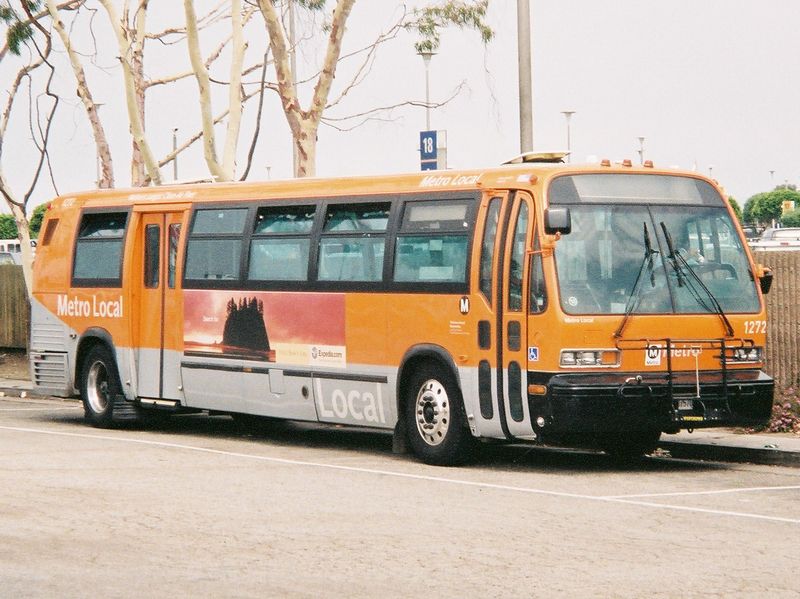
Metro has requested $2 billion for its Games mobility plan. About half would pay to temporarily acquire, operate and store nearly 1,750 additional buses. The rest would fund pedestrian improvements and a dedicated road network for Games vehicles, LAist reported.
So far, Congress has approved just $94.3 million. The House Appropriations Committee passed $875 million in its fiscal year 2027 transportation spending bill, but that legislation has not become law. The Trump administration's FY27 budget request included nothing for Metro's Olympic needs, according to Friedman's office. That leaves a $1.9 billion gap.
Metro currently runs about 2,100 buses. It needs roughly 1,700 more for the Games and has secured about half that additional total so far. The agency has said the full Games Enhanced Transit System would not be feasible without the complete $2 billion.
"We shouldn't have to wait this dang long begging for this money that we deserve," Rep. Sydney Kamlager-Dove said at the panel.
In February, Kamlager-Dove led 36 California delegation members, including Sens. Alex Padilla and Adam Schiff, in a letter to Transportation Secretary Sean Duffy urging the administration to fund Metro's request. That letter warned FY27 was likely the region's last chance to get investments in place before the Games. She told LAist she has been pressing Republican colleagues to release some of the money.
World Cup offered a preview
Lawmakers pointed to the 2026 FIFA World Cup as a successful but limited test run. Metro's enhanced bus service to SoFi Stadium carried more than 212,000 rides at $1.75 each way, connecting the stadium to 15 transit hubs across Southern California. Metro recorded its highest single-day ridership of June on Thursday, June 18, and system ridership that month ran 2 million riders higher than June 2025.
Metro CEO Stephanie Wiggins has said there were zero major security incidents during the tournament.
But Friedman noted the difference in scale: eight World Cup matches at one stadium over five weeks versus 16 days of events at dozens of venues across the region.
Security and rideshare questions unresolved
Lieu warned that if security perimeters allow cars and rideshares to drop fans closer to venues than transit stops, riders will skip Metro buses. "Then you're just gonna have more traffic," he said.
Metro Chief of Public Safety Bill Scott said the goal is to limit walking time from transit drop-off points to venues to 10 to 15 minutes. L.A. Department of Transportation General Manager Laura Rubio-Cornejo said the city designated specific rideshare zones during the World Cup, a model that would inform Games planning.
Where rideshare companies and automated vehicles will be permitted to pick up and drop off fans remains undecided.
The Infrastructure Investment and Jobs Act expires Wednesday, Sept. 30, creating a near-term deadline for federal action. Metro officials said at a January 2026 board meeting that the agency needed funding available by summer 2026 to secure real estate for bus staging. Asked about a new timeline, Metro Chief Customer Experience Officer Jennifer Vides said the agency is "continuing to work with its partners to generate the funding that we need."
LAist reported it reached out to the White House for comment and received no response.