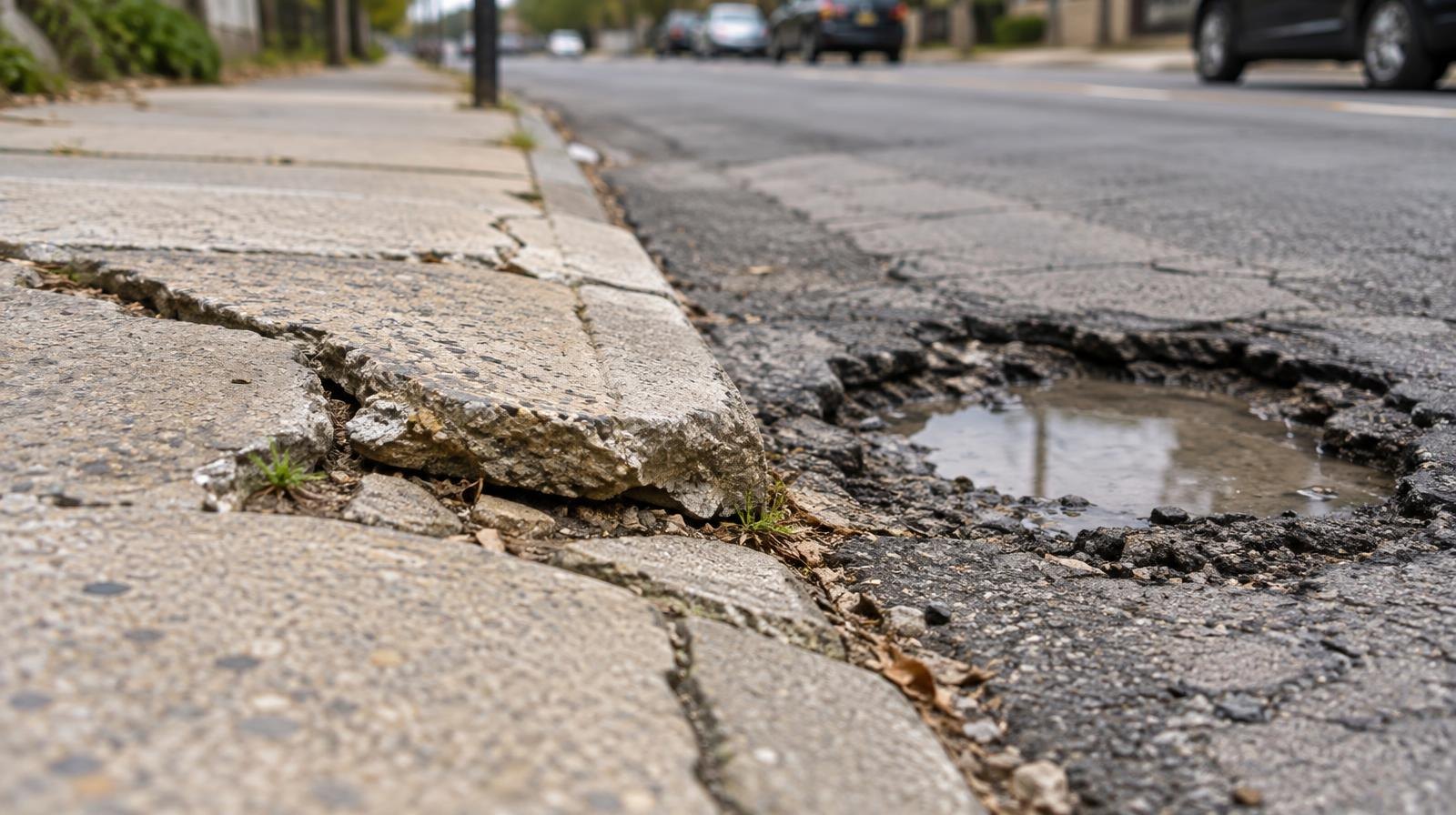
Los Angeles is spending more on its streets and getting less done, with pothole repairs now taking roughly seven days instead of less than one, according to a Crosstown analysis of city budget and performance data published Oct. 28.
The city's budget grew 34% over five years. Over the same period, the number of sidewalks it repaired fell 33%.
The slowdown hits residents directly. Bill Robinson, chair of the Wilshire Center-Koreatown Neighborhood Council, said damaged sidewalks are one of the top complaints in his area. People with disabilities face severe difficulties navigating the pathways, he said, according to The Korea Daily.
Tree maintenance is sliding, too. Since July 1, the city's Urban Forestry Department has performed 14% fewer tree trimmings per month on average than it did two years ago, according to data compiled by the city controller's office. Tree removals dropped 44% over the same period, Crosstown reported.
Half the trucks sit idle
Staffing shortages are a central cause. The city's Bureau of Street Services, known as StreetsLA, owns 26 pothole repair trucks but has enough workers to run only 12 of them regularly, according to Crosstown.
Hiring is painfully slow. The city's process requires the Department of Personnel to create a job classification, schedule a civil service exam, then build a candidate list from the results. That typically takes more than seven months, according to city budget documents cited by Crosstown.
The delays have cost the city millions. Over the summer, Los Angeles had to give up $102.9 million in state transportation grants because it could not fill 25 positions despite having two and a half years to do so, Crosstown reported, citing a City Administrative Officer document. The money was earmarked for road and sidewalk improvements in Boyle Heights, Wilmington and Skid Row.
The Los Angeles Times reported in June that a state commission declined to hear the city's appeal for an extension on those grants. The city said it could not meet deadlines because of budget and staffing cuts at the Bureau of Engineering, Bureau of Street Services and Department of Transportation.
Repaving ground to a halt
In 2025, Los Angeles went more than eight months without fully repaving a single stretch of road, according to Crosstown. The pause was prompted in part by Measure HLA, a voter-approved rule that took effect in 2024 requiring the city to add bike, bus and pedestrian improvements whenever it paves a street.
At a January 2026 City Council committee meeting, StreetsLA General Manager Keith Mozee said a shortage of trucks and workers left the city unable to fully repave streets while meeting Measure HLA and Americans with Disabilities Act (ADA) requirements, Crosstown reported.
Steve Kang, president of the Los Angeles Board of Public Works, said compliance with the ADA and Measure HLA has increased costs and procedures for road and sidewalk work, according to The Korea Daily. Full repaving along the Wilshire corridor requires upgrading auxiliary facilities, which can cost millions of dollars for just a few blocks, Kang said. The city is prioritizing emergency patches while seeking a larger budget for next year's infrastructure projects.
$88 million in liability payouts
Deferred maintenance is costing the city in another way. Payouts from liability claims tied to dangerous conditions on roads, sidewalks and trees have more than tripled since 2021, reaching $88 million by 2025, according to the city controller's liability claims data cited by Crosstown.
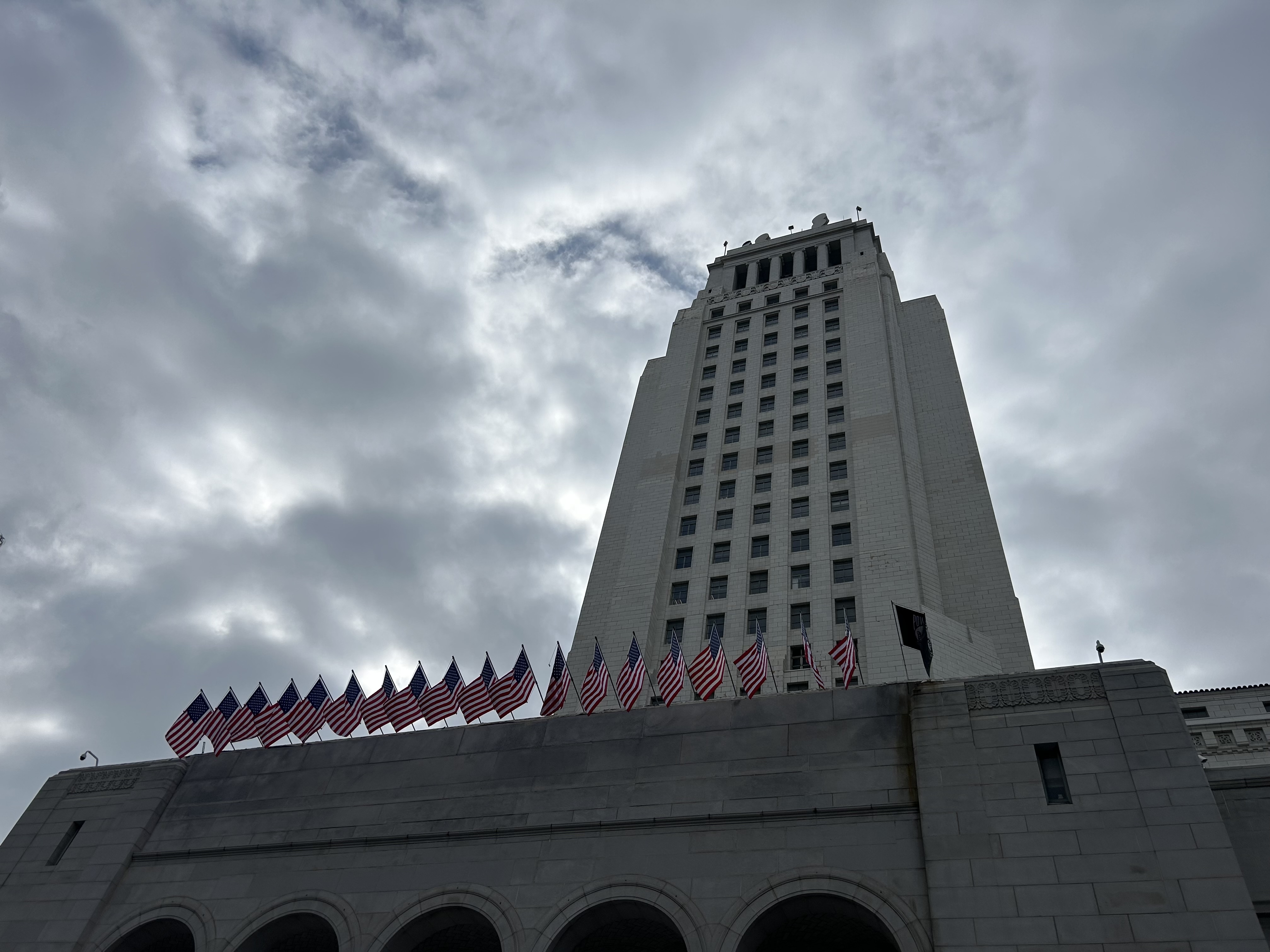
Rick Cole, former deputy city controller and an advisor to Nithya Raman's mayoral campaign, said the city's structure compounds the problem. Los Angeles operates 41 departments, each with its own budget and staff. Projects that cross departmental lines require coordination that slows everything down. In a June farewell speech at City Hall, Cole told the crowd, "LA is not designed to work."
Neither the Bass nor the Raman mayoral campaign responded to Crosstown's questions about how they would address the infrastructure challenges, Crosstown reported.
Measure LA, a City Charter amendment on the Nov. 3 ballot, would create a director of public works position and require the city to adopt a Capital Infrastructure Plan, according to the Los Angeles Times. The measure would also establish a two-year budget cycle. Councilwoman Monica Rodriguez has argued the measure would reduce public oversight of billions in taxpayer-funded projects.