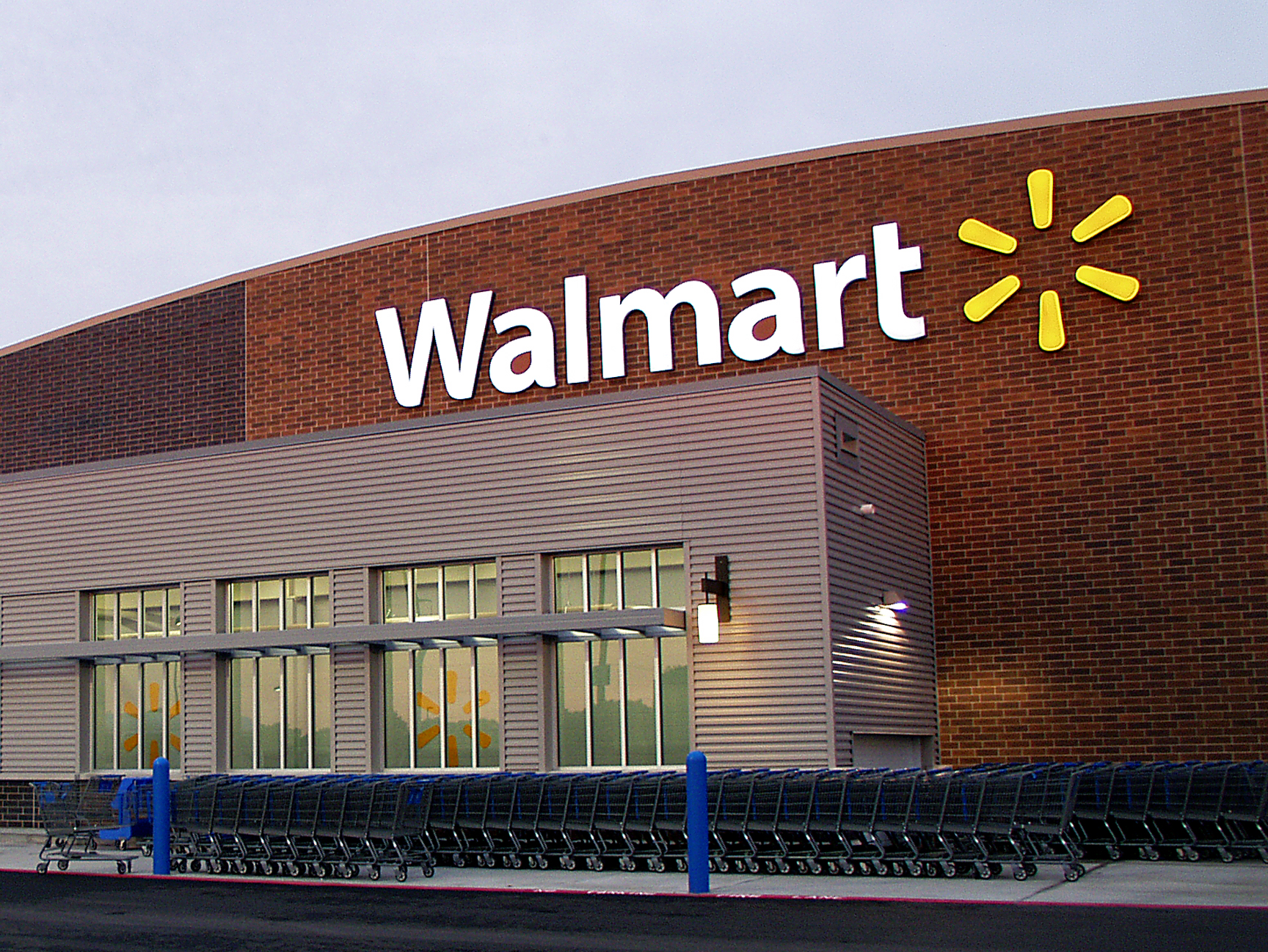
Walmart is pouring $2.9 billion in tariff refunds into lower prices for shoppers, the company said during its second-quarter earnings call in August, as Los Angeles consumers grapple with grocery bills driven up by fuel costs, trade policy and a new California farm wage law.
The retailer's chief financial officer, John David Rainey, said the company had received "substantially all" of the refunds it was eligible for after the Supreme Court in February struck down tariffs imposed under the International Emergency Economic Powers Act, CBS News reported.
“We’re investing heavily in price because customers need us to and because we believe it drives market share gains over time,” Walmart President and CEO John Furner said during the call.
Why prices keep climbing
The pressure on household budgets in Los Angeles is coming from several directions at once.
Gasoline prices in California hit $5.37 a gallon on March 12, up 82 cents from a month earlier, according to AAA data cited by the Los Angeles Times. Diesel reached $6.21 a gallon the same day. The state's large logistics industry, including truckers serving the ports of Los Angeles and Long Beach, absorbs those costs and passes them along.
Nationally, gasoline costs were up 28.4% year over year as of April 2026, according to Bureau of Labor Statistics data cited by the San Francisco Chronicle. The BLS report for April showed a 2.9% year-over-year increase in the "food at home" category, with overall inflation at 3.8%.
Tariffs have hit specific items hard. A 17% duty on fresh tomatoes from Mexico pushed prices up 50% year over year, the Chronicle reported. Ground beef rose 18.9%. Coffee climbed 29%.
On top of fuel and tariffs, a new California law is adding labor costs. Gov. Gavin Newsom signed Assembly Bill 2646, raising the minimum wage for agricultural workers to $19.75 an hour starting in January, up from $16.90, Farm Progress reported. The law covers both domestic workers and H-2A guest workers. Thirty farm and business groups had urged Newsom to veto the bill.
Fresno County farmer Joe Del Bosque, who employs about 150 seasonal workers during the summer, told ABC 30 the bill "couldn't have come at a worse time," according to the New York Post. Farms are already dealing with rising fuel and fertilizer costs, he said.
Walmart's pricing promise
Walmart President and CEO John Furner also addressed the question of whether the company would use customer data to raise prices in a letter posted on the company's website in September.
"We price the product, not the person," Furner stated.
Furner laid out three commitments: Walmart will not set prices based on a shopper's identity or the time of day, will not use its AI shopping tool Sparky to raise individual prices, and will let customers decide whether to share personal details for more tailored help.
"Prices can change. We lower them when we can pass savings along. Sometimes they rise because an item costs more to buy or transport," the letter stated. "But using someone's income, shopping history or moment of need to charge them more would violate the EDLP promise (everyday low price) our business model is built on. We won't do it."
The pledge comes as the Federal Trade Commission on Oct. 28 ordered nine companies, including Walmart and Target, to turn over information on how they use consumer data to set prices, UPI reported. FTC Chairman Andrew Ferguson said the agency would "scrutinize the opaque methodology" some companies may use.
Walmart separately published a statement on its corporate site in October pushing back on claims that its digital shelf labels could enable dynamic pricing. The company stated it "does not and will not use digital shelf labels for individual or dynamic pricing."
Kroger follows Walmart's lead
Walmart's pricing edge is reshaping its competition. Kroger CEO Greg Foran, who took the job in February after previously running Walmart's U.S. operations, is steering the grocer away from its traditional cycle of temporary sales and toward everyday low prices, according to a Wall Street Journal report by Sarah Nassauer and Patrick Thomas.
Foran told Grocery Dive in June that Kroger's promotions "have gotten too complicated" and that the company would focus on "simpler, more consistent everyday value."
Kroger's annual profit fell 62% in 2025 to $1.01 billion, the Journal reported. Citi retail analyst Paul Lejuez estimated in a research note that Walmart prices are still 5% to 20% lower on average.