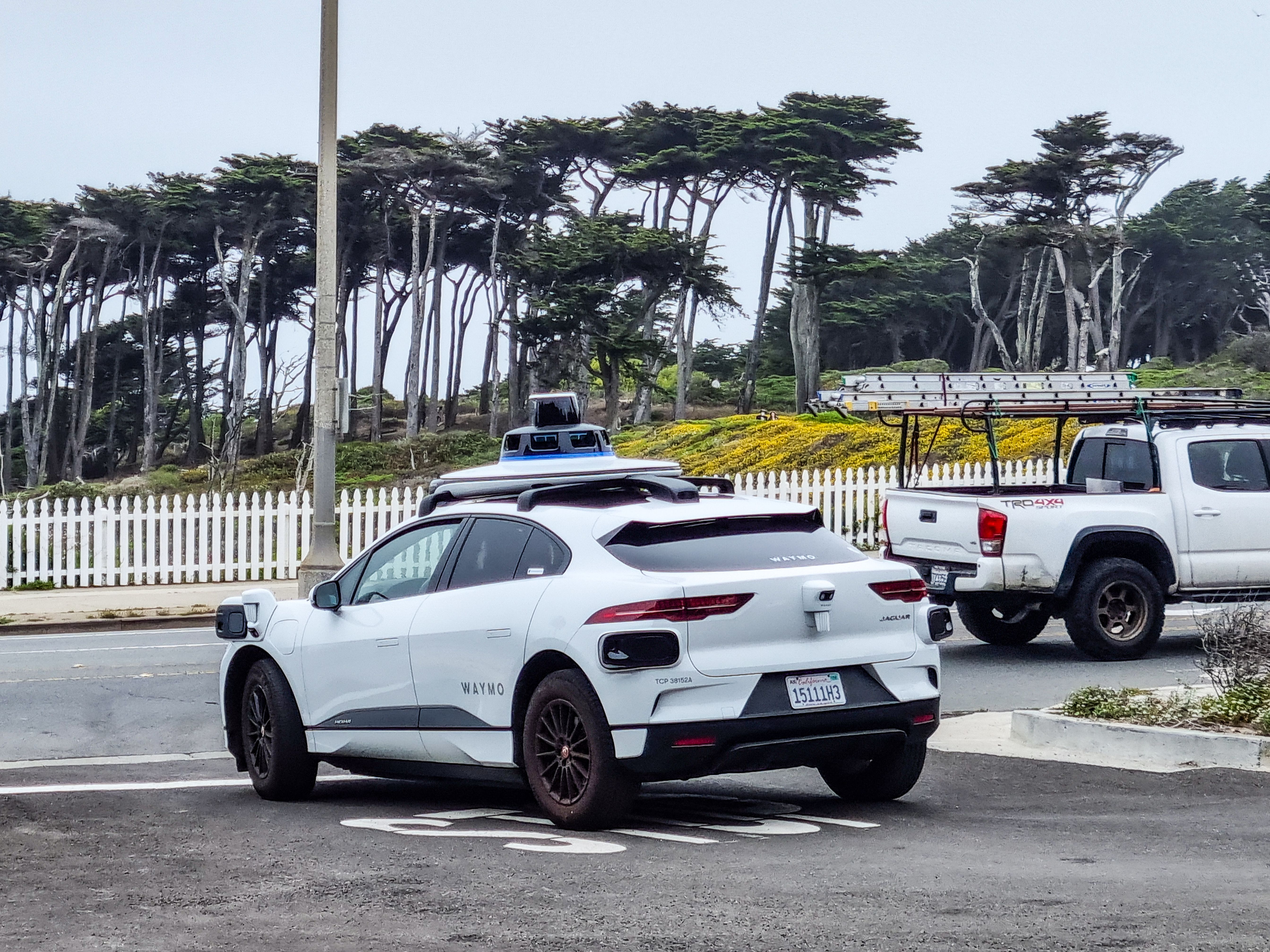
Waymo's robotaxis were involved in 219 collisions in Los Angeles County in 2025, more than triple the 69 recorded the year before.
The Alphabet subsidiary has already logged 186 crashes in LA County in 2026, according to an analysis first reported by the Los Angeles Times on Monday, Oct. 5. The Times drew on data from the National Highway Traffic Safety Administration (NHTSA) and the California Autonomous Vehicle Crash Dashboard, built by Matthew Raifman and colleagues at UC Berkeley's Safe Transportation Research and Education Center.
The crash rate per million miles driven, however, has fallen. Waymo averaged roughly 57 crashes per million miles in 2023, dropping to 13.7 in 2024, 6.7 in 2025 and fewer than six so far in 2026, according to the Times and the Korea Daily. The company is putting far more miles on LA streets, which pushes the total count up even as the per-mile rate drops.
Of the 186 LA County crashes recorded in 2026, more than 80% resulted in no apparent injuries. About 15% involved possible injuries, and fewer than 1% caused a suspected serious injury. Eighty-two happened while the robotaxi was stopped, and 65 occurred while it was driving straight. In 149 cases, a passenger vehicle was the other vehicle involved.
Kris Kusano, who oversees safety data research at Waymo, told the Times the company examines every crash and close call to improve its autonomous driver. He said the data is "quite conclusive" that Waymo vehicles are safer than average human drivers in the cities where they operate.
Waymo's safety report, released Sept. 24, stated that across 270 million fully autonomous miles in five metro areas, its vehicles were involved in 95% fewer serious-injury-or-worse crashes than human drivers. Across 67 million miles driven in Los Angeles specifically, the company reported zero crashes resulting in serious or fatal injuries. Human drivers covering the same distance would be expected to have about 11 serious-injury crashes, according to the report.
Raifman, who compiled the crash dashboard, offered a caveat in the Times report. "Autonomous vehicles are likely quite safer than human drivers for most driving conditions," he said. "But that is within the context of where the AVs are allowed to operate."
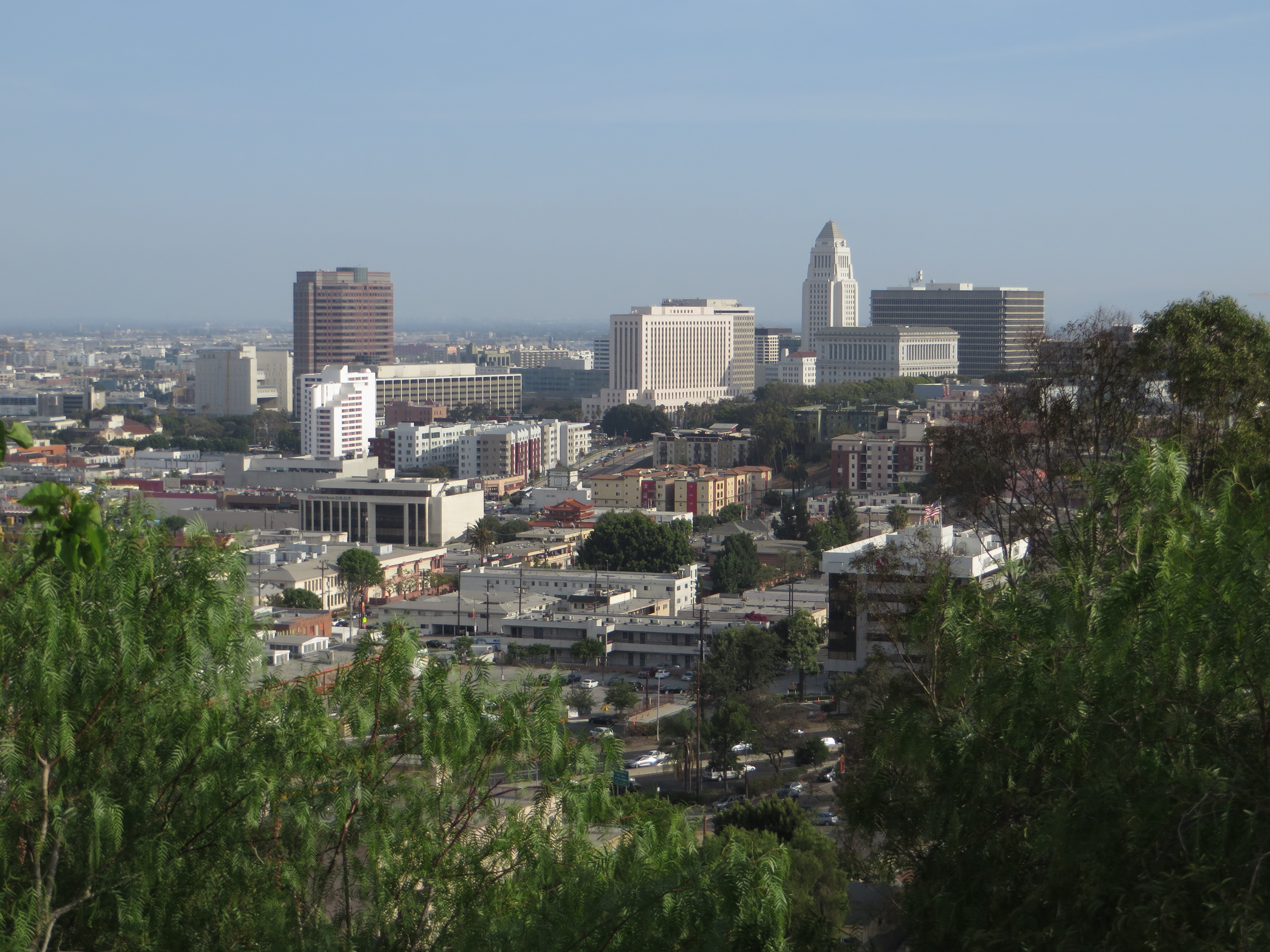
Before the California Public Utilities Commission (CPUC) approved an expansion of Waymo's paid service across the broader Los Angeles area on Aug. 14, the company operated in a coverage area spanning roughly from Santa Monica to Echo Park, according to the Westside Current. Individual cities do not control where robotaxis operate; the CPUC does.
That state-level authority has drawn pushback. San Diego's City Council voted to ask the state for more local control over robotaxi deployment. San Diego City Councilmember Marni Von Wilpert, who chairs the city's public safety committee, told the Times her city did not know when the robotaxis were coming and cannot have vehicles posing hazards on its streets. Culver City voted in September to set rules governing where and when robotaxi fleets can be charged, stored and cleaned.
Waymo is not the only driverless operator on California roads. Amazon's Zoox is testing vehicles in Los Angeles and San Francisco and has been involved in 18 crashes statewide in 2026, according to NHTSA data cited by the Times.
The 2026 crash count is a running total as of the Oct. 5 Times report and will continue to grow as the year progresses. No specific regulatory hearing on LA County robotaxi oversight has been scheduled.