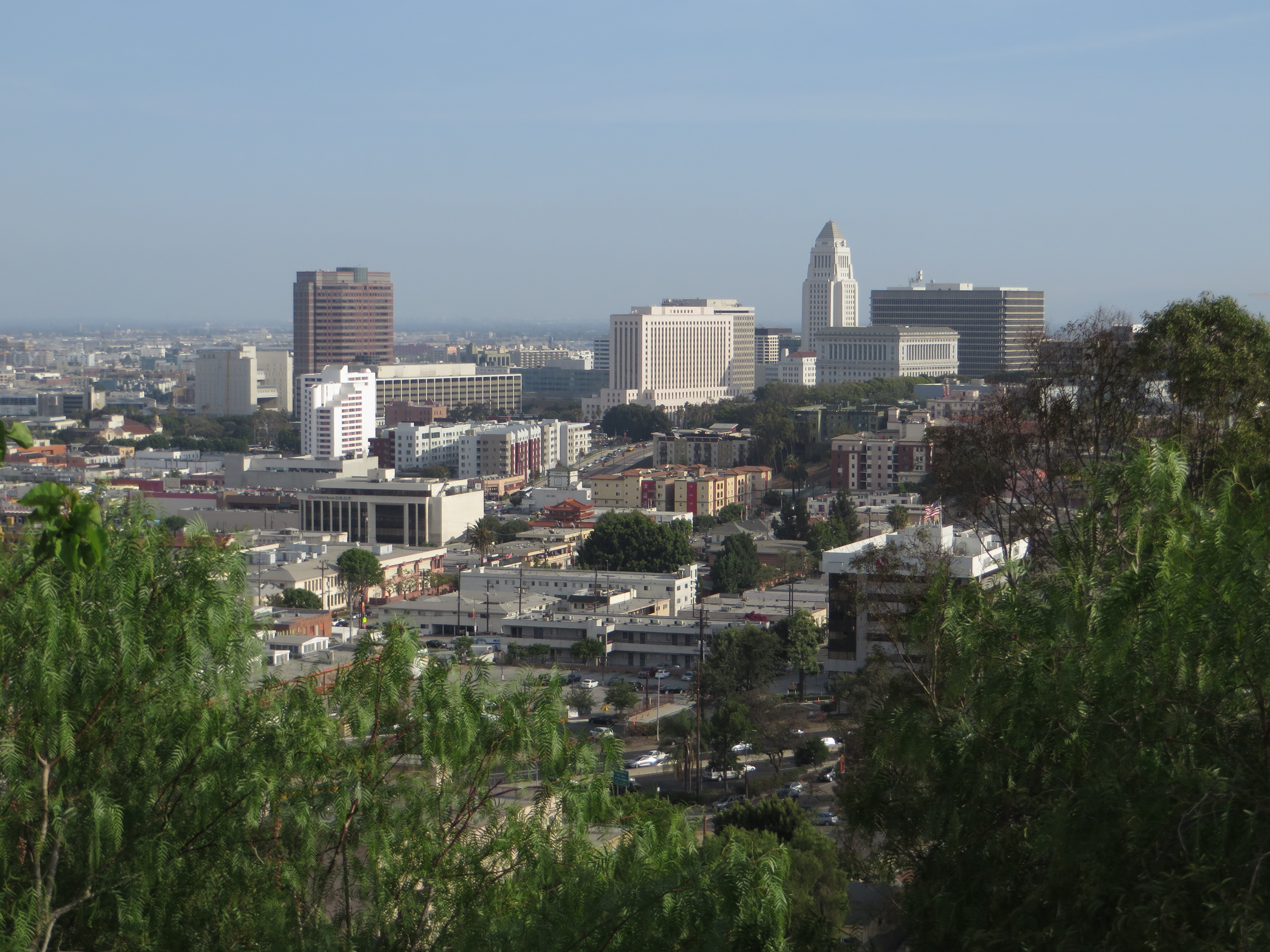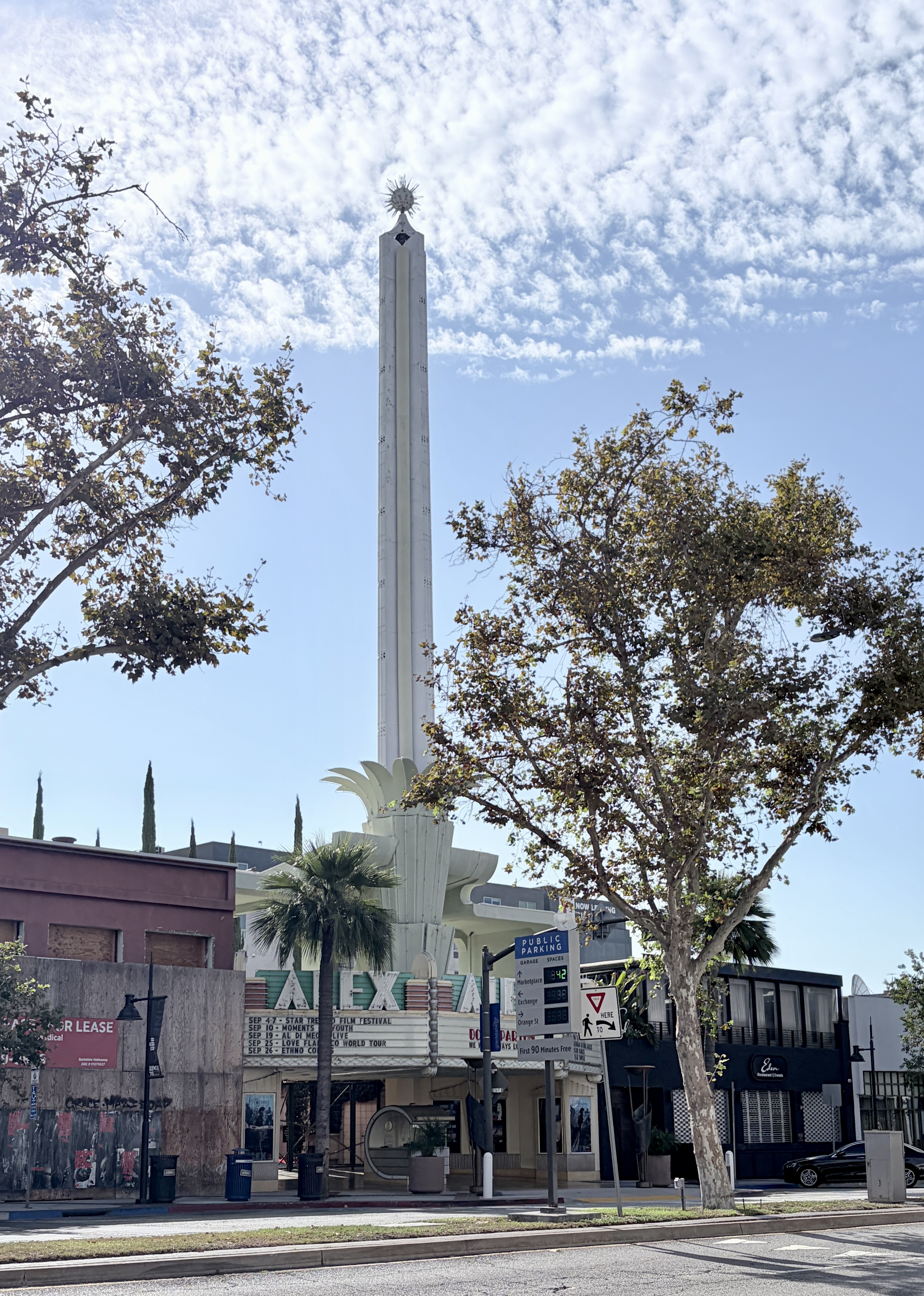
A downtown Los Angeles ice cream shop is betting on cold weather through a prediction market to offset the sales it loses on chilly days. The strategy is part of a growing wave of small businesses turning to weather-based financial contracts.
Jason Jiang, 37, co-owner of 28wishes, said the shop loses about a fifth of its sales when temperatures drop below 70°F. Starting in April 2026, he and his brother James began placing $20 a day on Kalshi, a federally regulated prediction market, betting on cold fronts in Southern California. The strategy has earned up to $1,500 a month, roughly 43% of the shop's $3,500 monthly rent, the New York Post reported on July 16.
"Ice cream is one of the most weather-dependent products in the world," Jiang told the Post. "We lose about 20 percent of business when the weather goes below 70 degrees… So we're essentially hedging that profit loss on the app."
The Jiangs are not alone.
More than 200 businesses used Kalshi for hedging in the month before Sept. 24, Nicolas Hull, the company's director of business development, told CBS News. Kalshi's climate and weather trading volume has grown 500% year over year and is pacing toward $1.1 billion in annualized volume, according to company data in a press release tied to a new partnership with The Weather Company announced Aug. 27.
Under that deal, Kalshi will use The Weather Company's data feeds to verify weather-related market outcomes. The Weather Company will incorporate Kalshi's real-time probability data into select experiences on The Weather Channel app and weather.com.
The contracts work like parametric insurance. They settle on actual weather data rather than documented losses, so a business owner does not need to file a claim. Jiang, who worked in corporate banking before opening 28wishes, said he and James use meteorology forecasts, climate news sites and scientists on social media to make their weather calls.
A Sept. 22 preprint on arXiv, not yet peer-reviewed, by researcher Alexander W. Crosier found that Kalshi's next-day temperature contracts outperformed the National Blend of Models (NBM), the most accurate single public forecast, in six of seven U.S. cities studied.
The platform carries risk. Research from Citizens financial firm, as reported by CBS News, found the median prediction-market user lost $8 for every $100 spent between July 2025 and March 2026. Multiple states, including New York, have sued Kalshi, with New York Attorney General Letitia James arguing that state gambling rules should apply. Kalshi is currently regulated by the federal Commodity Futures Trading Commission (CFTC).
Ian Appel, an associate professor of finance at the University of Virginia's Darden School of Business, told CBS News the bets can function as a legitimate hedge, creating a more predictable revenue stream for business owners who face weather-driven swings.
Kalshi and The Weather Company said they are exploring new markets tied to local ski conditions and marathon race-day weather, The Wall Street Journal reported.