Joselyn, a Los Angeles DACA recipient with the same corporate job for six years, was placed on leave after her work permit expired before her renewal was processed.
She applied 120 days before her expiration date and paid the $550 fee, following government guidelines. In past renewal cycles, her new permit arrived within weeks of a fingerprint appointment. This time, more than a month passed with no result, Spectrum News reported.
Her employer gave her a 60-day window. "I have only 60 days fingers crossed my work permit comes," Joselyn told Spectrum News. "If it doesn't, then I'm terminated and that's it."
Without a paycheck, she said she cannot cover rent or a car payment.
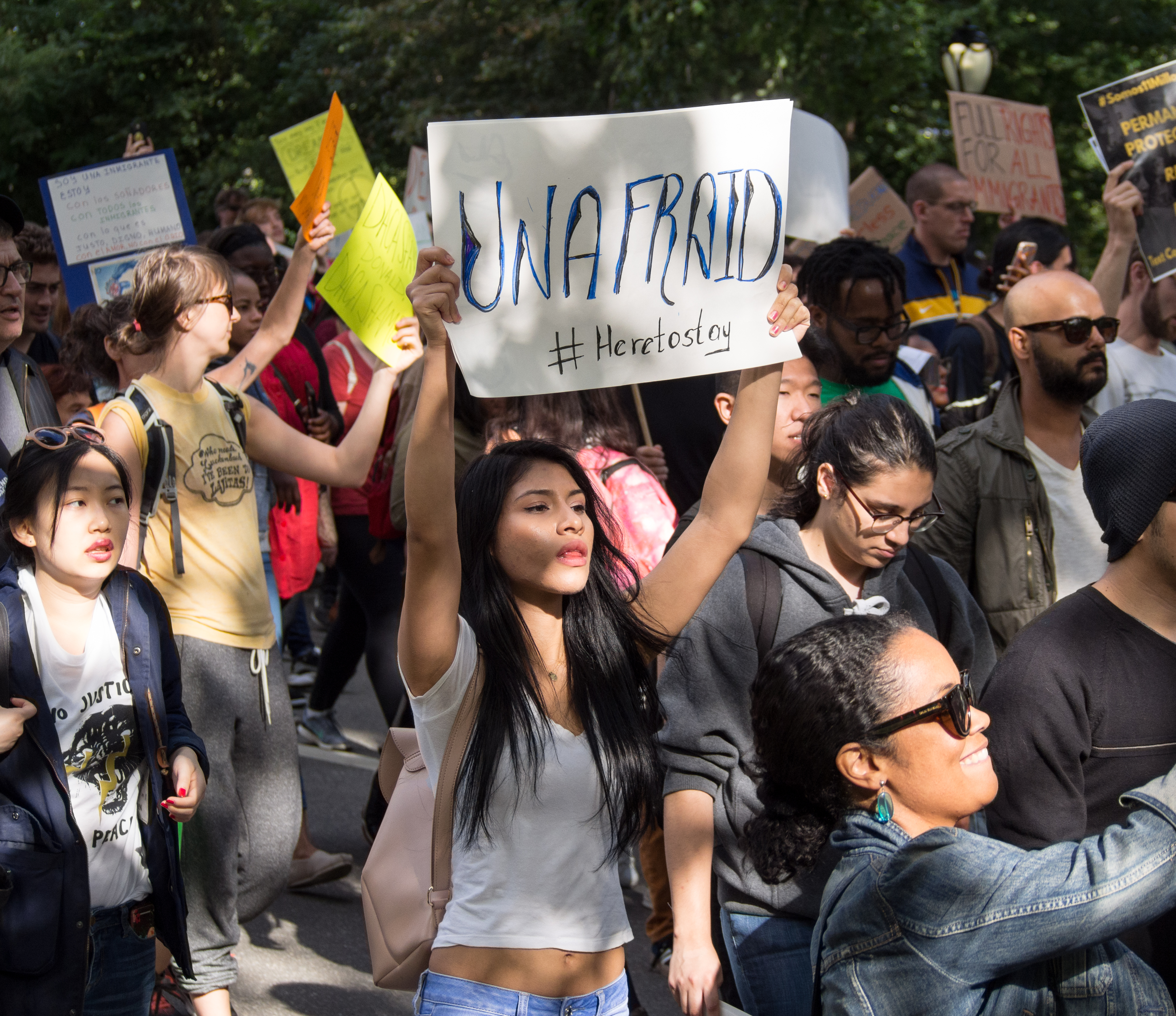
Joselyn is one of roughly 500,000 people enrolled in Deferred Action for Childhood Arrivals (DACA), which grants eligible immigrants work authorization and temporary protection from deportation. Recipients must renew every two years. Joselyn had done so without issue for a decade.
The backlog is not hers alone. Federal data shows the median processing time for DACA renewals climbed to 3.5 months in fiscal year 2026 (FY2026), up from half a month in FY2025, according to U.S. Citizenship and Immigration Services records. The Niskanen Center, a Washington policy research group, reported in August that processing times rose 388 percent between FY2025 and FY2026's second quarters. The active DACA population dropped by more than 40,000 between the first and second quarters of FY2026, the Niskanen Center found.
Tess Feldman, supervising attorney at the Loyola Law School Immigrant Justice Clinic in Los Angeles, said many clients who filed renewal applications in the spring are still waiting. She said there appears to be no pattern in which cases stall; some applicants who filed later have already received their permits.
At an Aug. 14 press conference tied to a California Assembly resolution urging faster processing, Feldman called the delays "unprecedented," saying they impact "a very sensitive group of students and teachers and educators that this program is designed to protect."
The clinic is now suing the federal government on behalf of clients whose renewals have no identifiable issues and who have exhausted other options.
USCIS did not provide Spectrum News with a count of delayed applications. In a statement, the agency attributed the slowdowns to heightened screening and vetting of applicants, adding that working in the United States is a privilege, not a right.
California's Assembly unanimously passed House Resolution 124, introduced by Assemblymember José Luis Solache, Jr. (D-Paramount), urging USCIS and other federal agencies to speed up DACA work authorization renewals. More than a quarter of the nation's DACA recipients live in California.
While on leave, Joselyn said she is focusing on her physical and mental health and working toward a Pilates certification. No timeline has been set for a decision on her renewal.