LA Metro will convert I-105 carpool lanes into tolled ExpressLanes after the U.S. Department of Transportation (DOT) approved an $802.5 million low-interest federal loan for the project.
The loan comes through the DOT's Build America Bureau and its Transportation Infrastructure Finance and Innovation Act (TIFIA) program, Spectrum News reported Tuesday, Sept. 8.
The I-105 ExpressLanes Project will convert one existing carpool lane into a tolled ExpressLane in each direction and add a second ExpressLane in each direction between the 405 and 605 freeways. The work also includes widening 20 bridges, building new retaining and sound walls, and setting up dynamically priced toll collection.
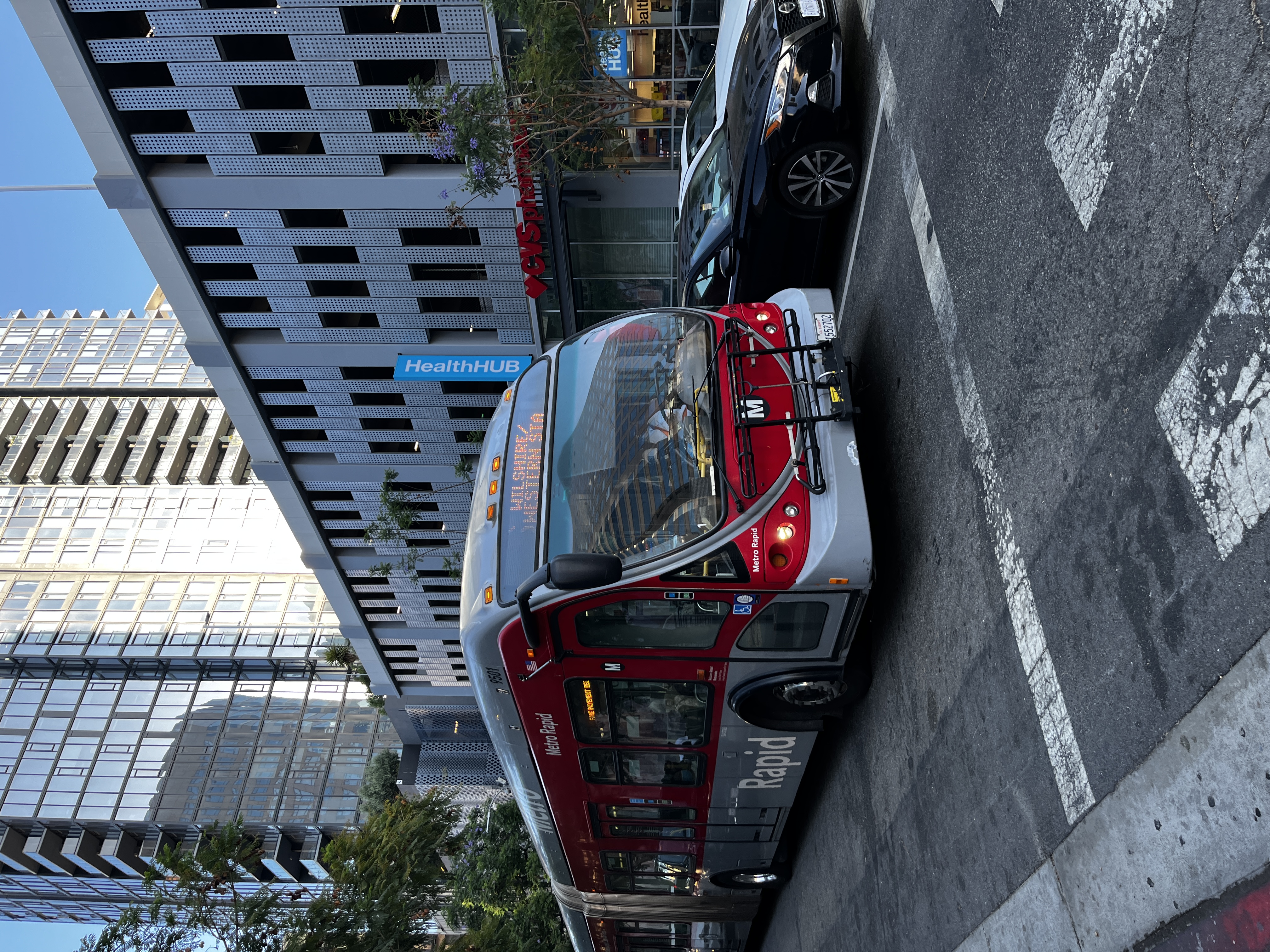
Metro said the first segment is expected to open before the 2028 Olympic and Paralympic Games. The agency described the corridor as a faster route between LAX, SoFi Stadium and destinations farther east. Buses and shuttles would also use the lanes.
The federal money arrives as Metro is still seeking funding for the bus and shuttle network it plans to deploy during the Games. The agency has requested $2 billion from the Trump administration for that broader transit plan, the Los Angeles Times reported Sept. 5. Metro plans to bring in 1,700 additional buses and shuttles to supplement its current fleet of about 2,400.
The I-105 project fits into a larger Olympic transportation overhaul. Southern California is building a Games Route Network (GRN) that will reserve certain freeway lanes and local roads for athletes, officials and Games-related travel. About 80% of the network will run along state highways, according to Tasha Higgins, Caltrans District 7's principal liaison for LA28, who spoke at a Southern California Association of Governments meeting in July.
Existing carpool lanes on some freeways are expected to be dedicated to Games traffic during the event. "Our current managed lanes that we use for HOV are going to be dedicated to the Games travel," Higgins said at the July meeting.
Between 10 million and 15 million spectators are expected to attend the 16-day event, according to a Southern California Association of Governments report. Freeways will remain open to the public, but fewer managed lanes will be available to everyday drivers.
Jacob Wasserman, who oversees public transit research at UCLA, said history suggests the congestion impact may be smaller than feared. He pointed to the 1984 Los Angeles Olympics and the 405 freeway "Carmageddon" closure as cases where advance warnings led drivers to change their behavior.
No construction start date or next public comment period for the I-105 ExpressLanes Project has been announced.