California's Uber and Lyft drivers have a union for the first time.
The California Public Employment Relations Board (PERB) certified the California Gig Workers Union on Thursday, Sept. 10. The certification gives rideshare drivers the right to bargain collectively with the two companies that control 99.2% of ride-hail trips in the state. The union, backed by the Service Employees International Union (SEIU), cleared the 30% support threshold required under Assembly Bill 1340, which passed in October 2025.
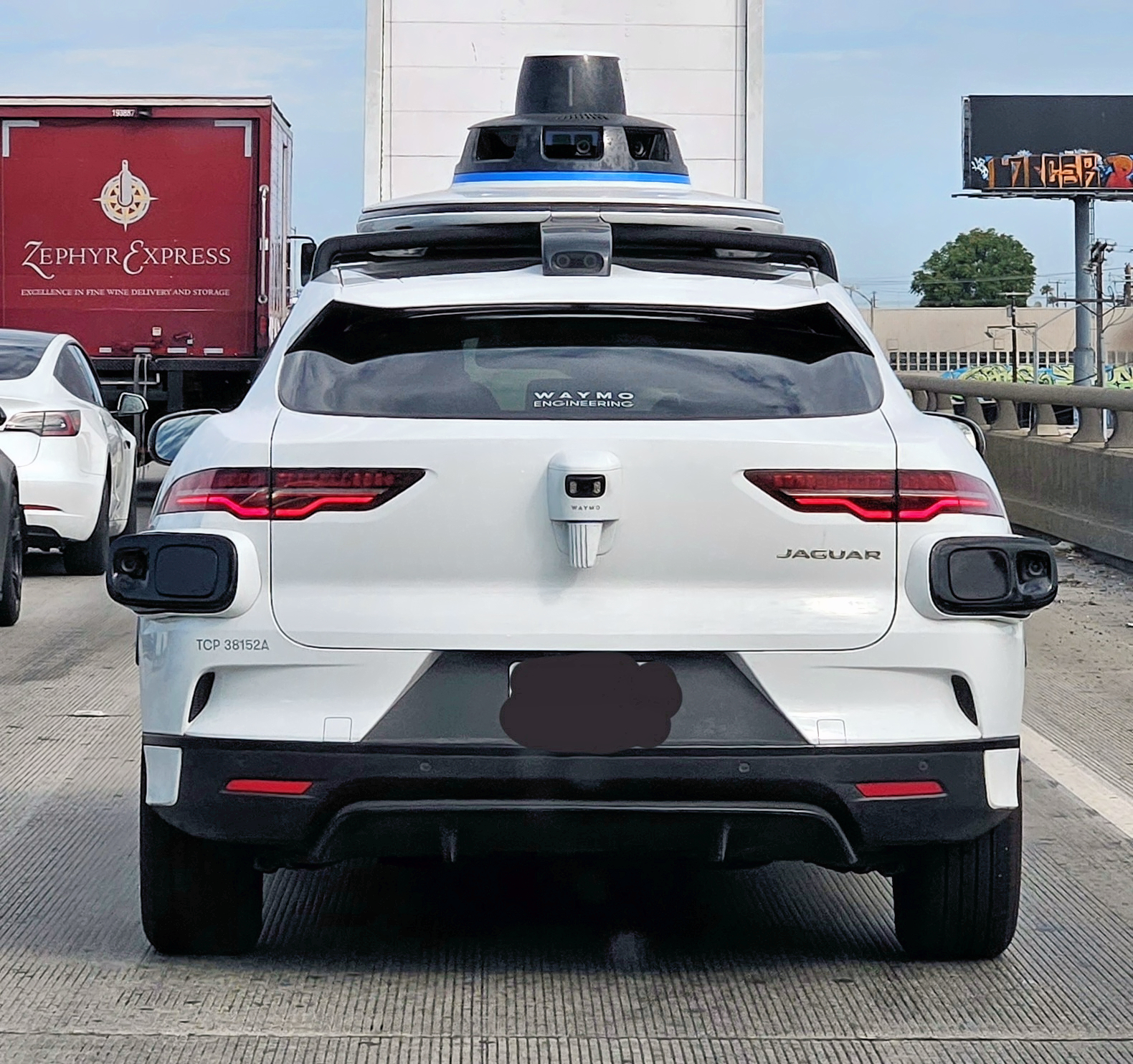
For Los Angeles drivers, the stakes are sharpened by Waymo. The autonomous-vehicle company accounted for about 15% of gross ride-hail bookings within its LA operating zones in June, according to market research firm Yipit, as reported by Business Insider. Data from ride-hailing platform Gridwise showed hourly driver wages fell in LA, Austin, Phoenix and San Francisco over the past year, while the national median rose 1%. Researchers told Business Insider the data could not establish that robotaxis were the direct cause.
"I suspect Waymo is playing a role here in this, kind of loss of wages for rideshare drivers," UC Irvine transportation researcher Michael Hyland told Spectrum News California.
A 2024 UC Berkeley Labor Center study found California rideshare drivers earned about $7.63 per hour after mileage, waiting time and benefit costs. Sacramento driver Gurpreet Pannu, who lost a tech job about a year ago and switched to full-time rideshare work, told Spectrum News that drivers keep only 30 to 40% of each fare. Companies once passed along 70 to 80%, he said.
More than 30,000 drivers have signed union cards so far, according to SEIU. PERB data shows about 200,533 drivers gave at least 20 Uber or Lyft rides in the first half of 2026. SEIU estimates the union will represent 300,000 to 350,000 drivers total, according to the SF Examiner.
David Green, president of SEIU Local 721 in Los Angeles, said drivers' priorities include deactivation protections, wage theft and harassment. Green told Spectrum News that autonomous vehicles will also be part of contract discussions.
Formal negotiations have not started. The union expects talks to begin by the end of 2026. Under AB 1340, the two sides have 210 days to reach a deal before either can ask PERB to send them to mediation.
Uber said in a statement that the certification delivers on AB 1340 while preserving driver flexibility. Lyft said it is committed to engaging in good faith. The Los Angeles Times reported that Uber originally opposed AB 1340 but dropped its opposition late in 2025 after a separate bill reformed insurance requirements.
California is the third state to allow rideshare drivers to unionize, after Washington in 2022 and Massachusetts in 2024. Waymo already operates more than 4,000 vehicles across 14 U.S. cities and provides over 500,000 rides per week, according to CNBC. California regulators approved the company to expand across LA and into Sacramento and San Diego on Aug. 14.
Hyland said he expects most rideshare vehicles to go autonomous over the long term, though the transition could take 25 years or more. Uber and Lyft hold one advantage in the meantime: they can pull gig drivers onto the road quickly during surge periods, something Waymo's fixed fleet cannot match. The union's first contract fight will test whether that leverage translates into better pay at the bargaining table.